










LINTICO Journal · Sustainable Craft
Linen can be a thoughtful clothing choice, but the fiber name alone cannot prove that a garment is sustainable. The honest answer depends on farming, processing, design, use, care, and what happens after the last wear.
Linen has useful material qualities and can support a longer-wearing wardrobe. It is not impact-free, and “100% linen” is a composition fact—not a complete environmental score.
Three truths can exist at the same time
Flax is plant-based
Linen begins with flax rather than a fossil-derived polymer. That describes the raw material source, not every impact that follows.
Processing still matters
Retting, fiber preparation, spinning, weaving, dyeing, finishing, sewing, transport, and care all add energy, water, chemicals, or waste.
Use changes the equation
A garment worn, repaired, and cared for over time makes better use of the resources already invested than one quickly replaced.
Look at linen as a lifecycle, not a label
The European Environment Agency treats textile impacts as a chain: natural-fiber cultivation, manufacturing, distribution, use, and end of life all matter. That wider frame is more useful than a single “good fabric/bad fabric” verdict.
Growing flax
Where and how flax is grown affects land, water, fertilizer, pesticide, fuel, and yield outcomes. Regional averages cannot substitute for farm-level evidence.
Making fiber and cloth
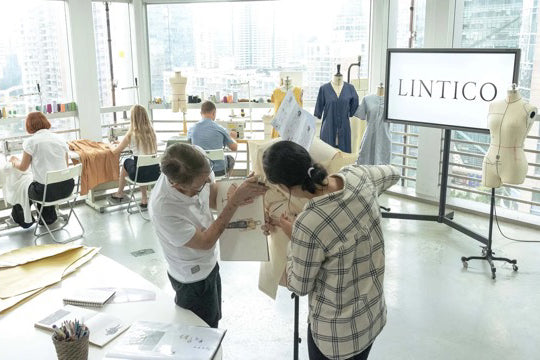
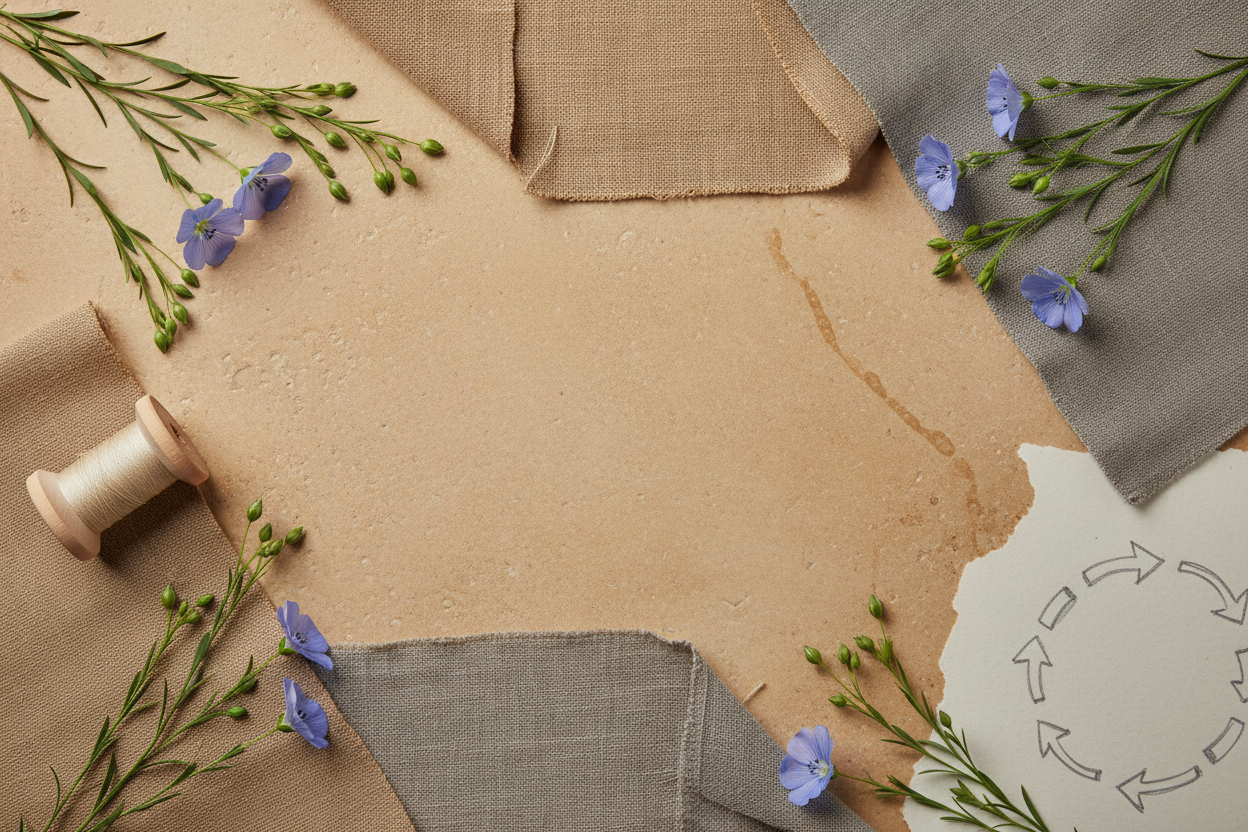
Flax is pulled, retted, scutched, hackled, spun, woven or knitted, then dyed and finished. A peer-reviewed fiber comparison found that spinning, weaving, and dyeing can be important impact contributors—one reason raw material alone is an incomplete measure.
Designing the garment
Seam quality, fabric weight, trim attachment, fit, and repair access influence how long a piece can remain useful. A beautiful natural fiber does not compensate for poor construction or a shape the owner will not wear.
Wearing and caring
Washing, drying, and ironing use resources. Follow the garment label, wash only when needed, choose the lowest effective heat, and avoid harsh treatment that shortens useful life.
Reuse and end of life
Resale, donation, repair, and fiber recovery depend on condition, local systems, and material composition. “Biodegradable” should never be read as permission to overbuy or discard casually.
What linen may offer—and what it does not guarantee
A natural-fiber starting point
Pure linen is made from flax fiber. That avoids describing the textile itself as a petroleum-based synthetic, while leaving cultivation and processing impacts open for examination.
“Natural” means harmless
Natural-fiber cultivation can still involve land, water, fertilizers, pesticides, fuel, and processing chemicals. Natural origin is one fact, not an impact assessment.
Durability can support longer use
The EEA identifies durability, repairability, longer use, and reuse as important routes toward reducing textile pressures.
Every linen garment lasts equally
Fabric quality, weight, seam construction, abrasion, fit, care, and frequency of use all affect service life. Fiber content cannot guarantee years of wear.
Pure composition is easier to understand
A 100% linen listing gives the shopper a clear fiber-content fact and avoids hidden stretch-fiber assumptions.
Pure equals fully traceable
Composition does not reveal the farm, mill energy, dye chemistry, labor conditions, transport, verified footprint, or end-of-life infrastructure.
A six-question claim checker
Before accepting a broad sustainability claim, look for information that can be checked. A responsible product page does not need to answer everything, but it should make the evidence boundary visible.
Three current LINTICO pieces, viewed without green shortcuts
These examples are not ranked as “most sustainable.” They show how to separate verifiable product facts from conclusions that would require more evidence. All were listed in the LINTICO Best Seller collection on August 15, 2026.
Material clarity · $94.90
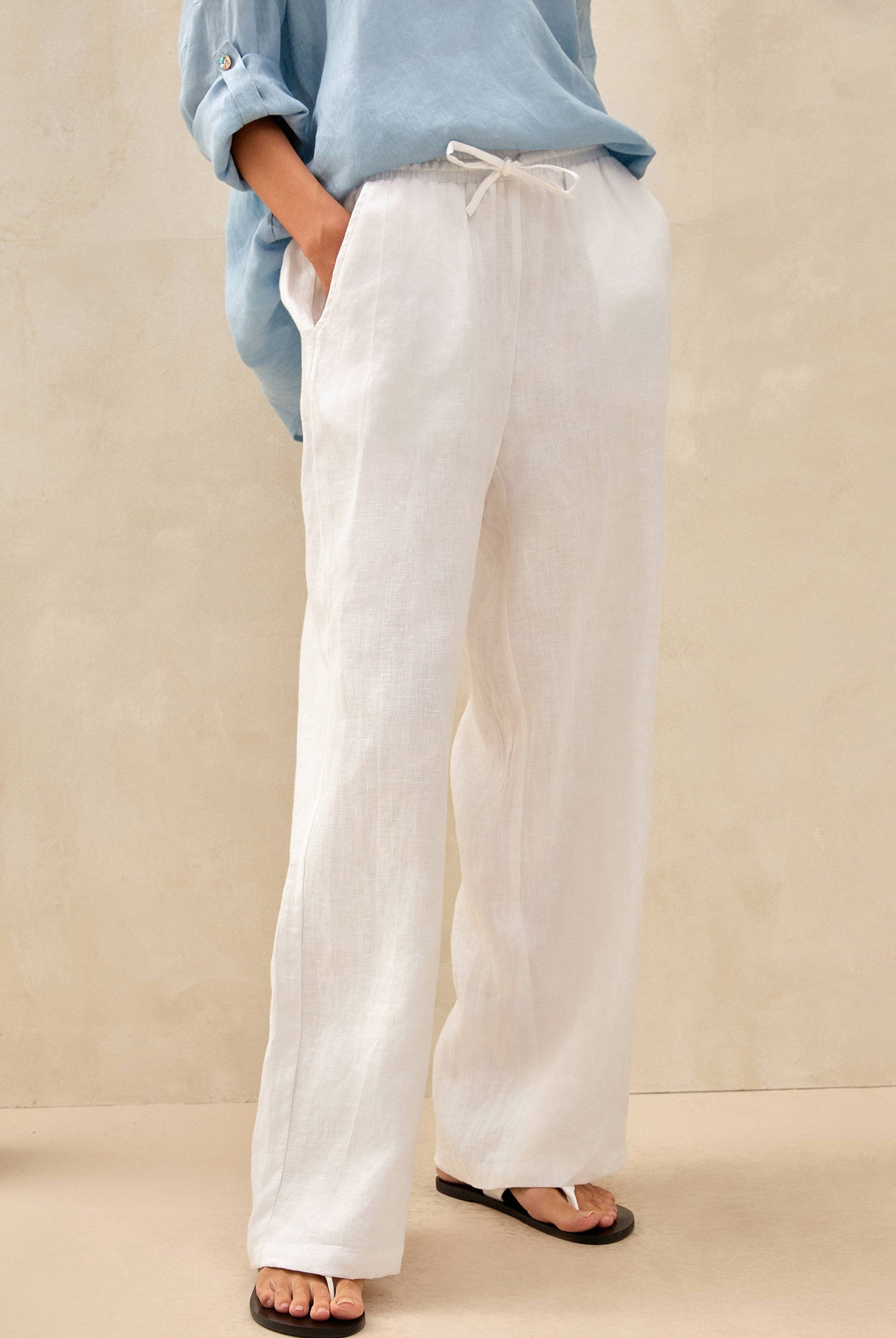
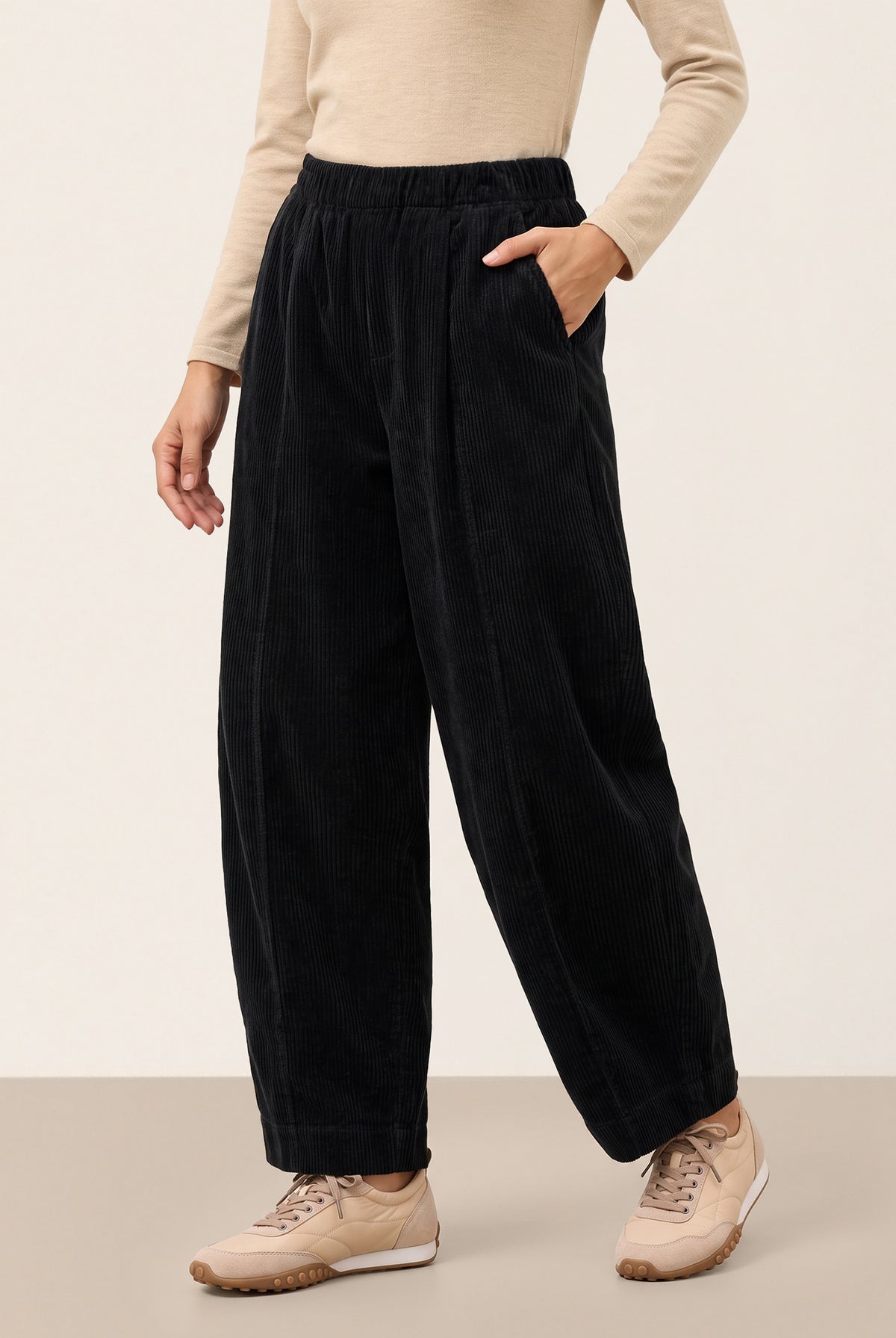
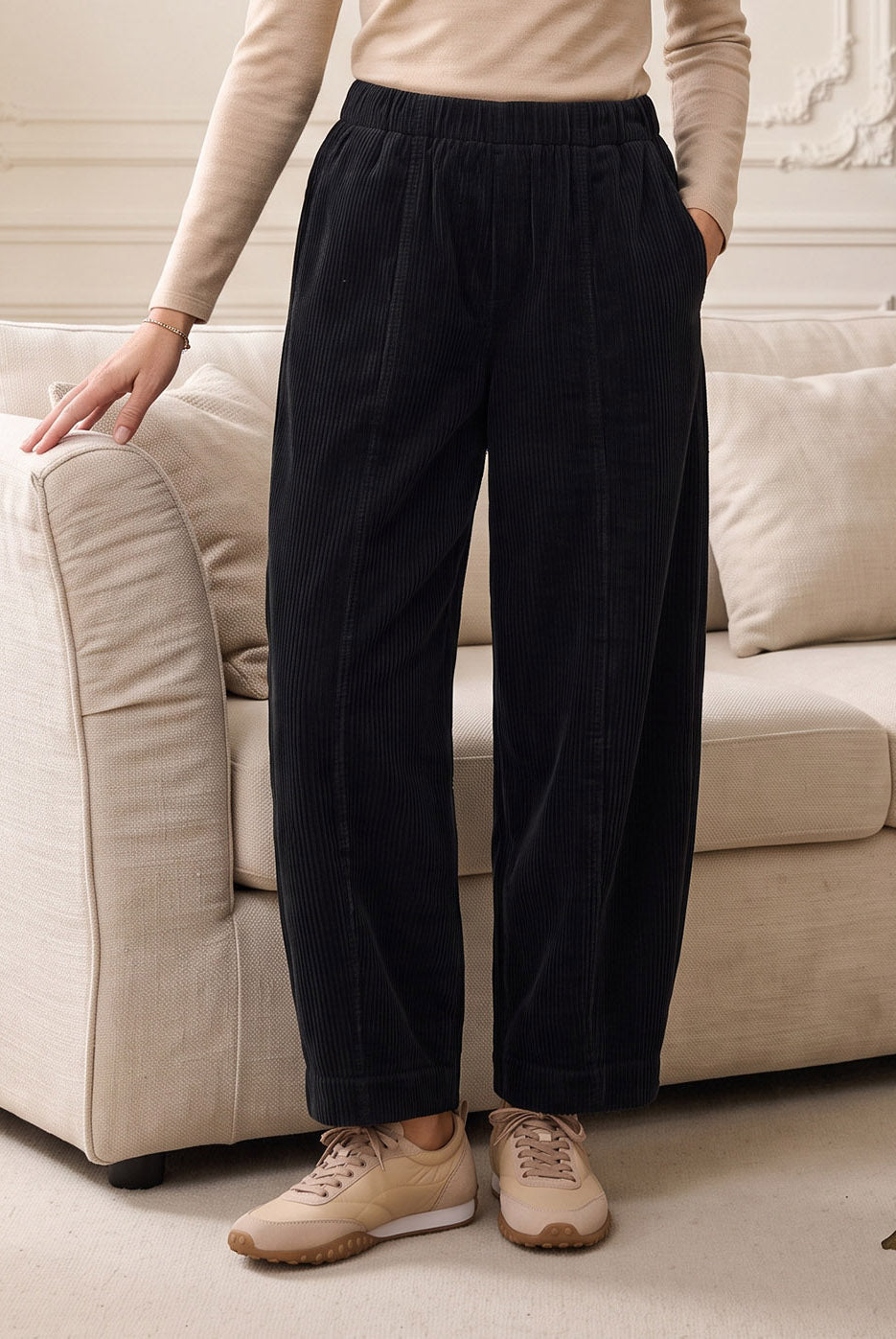
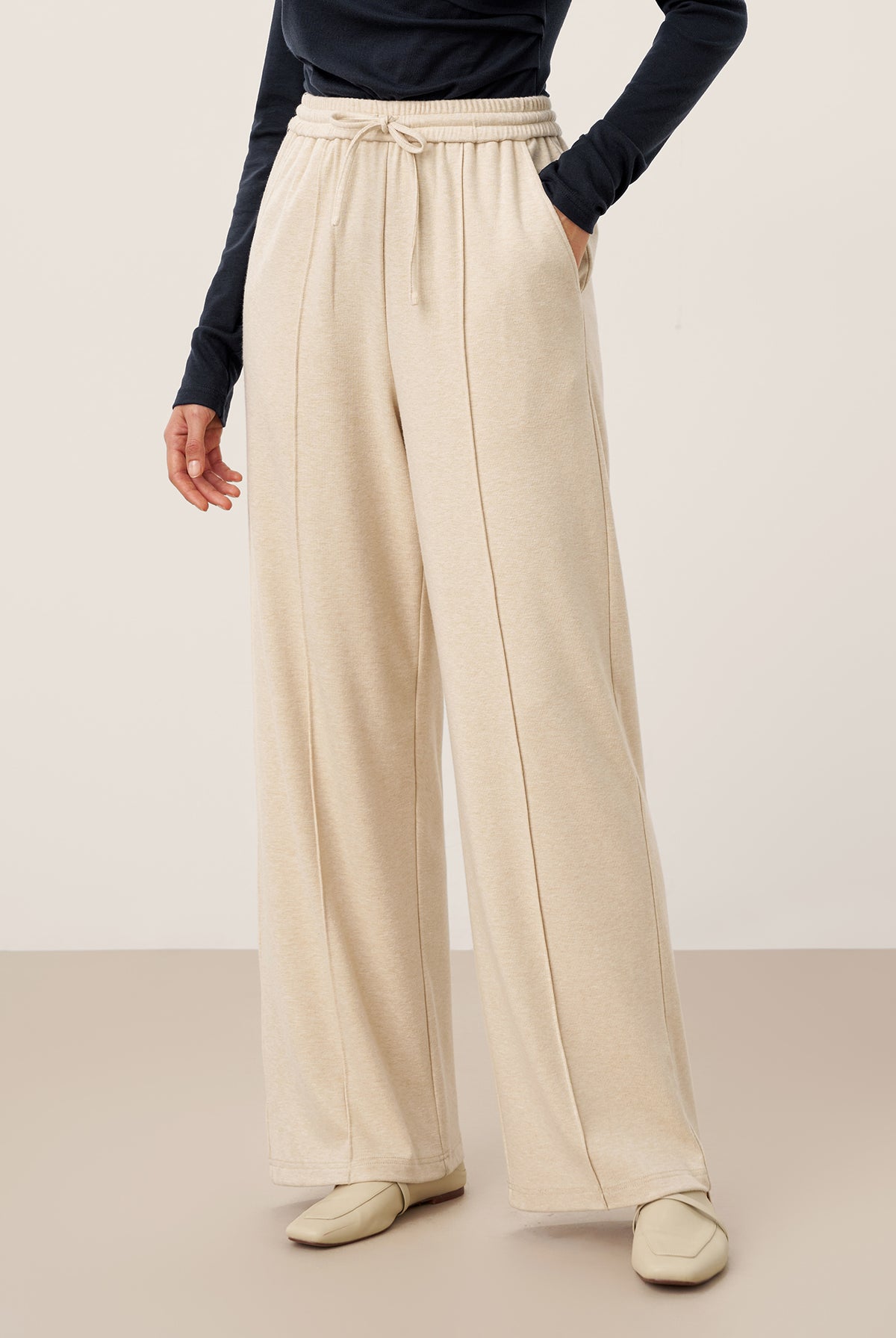
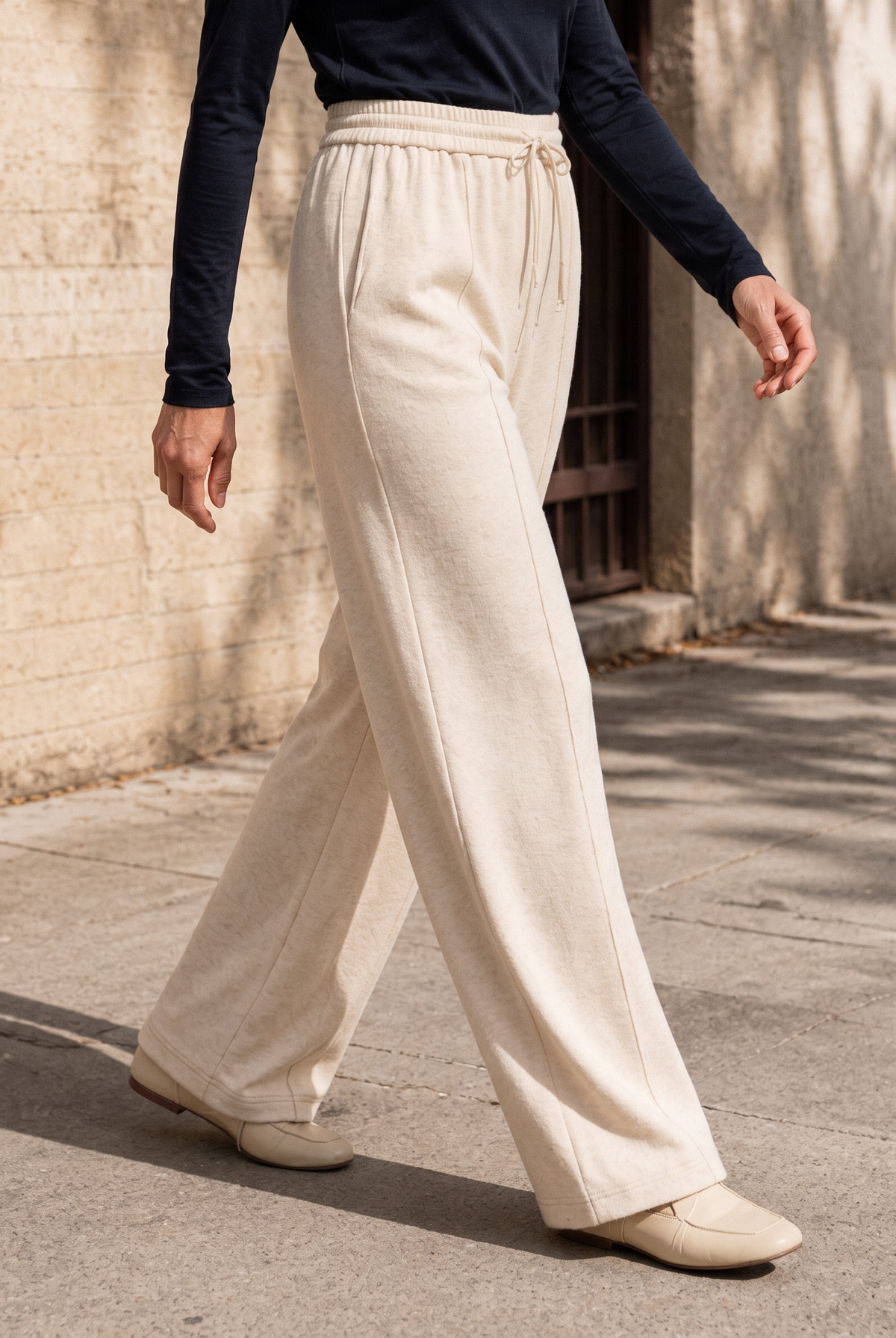
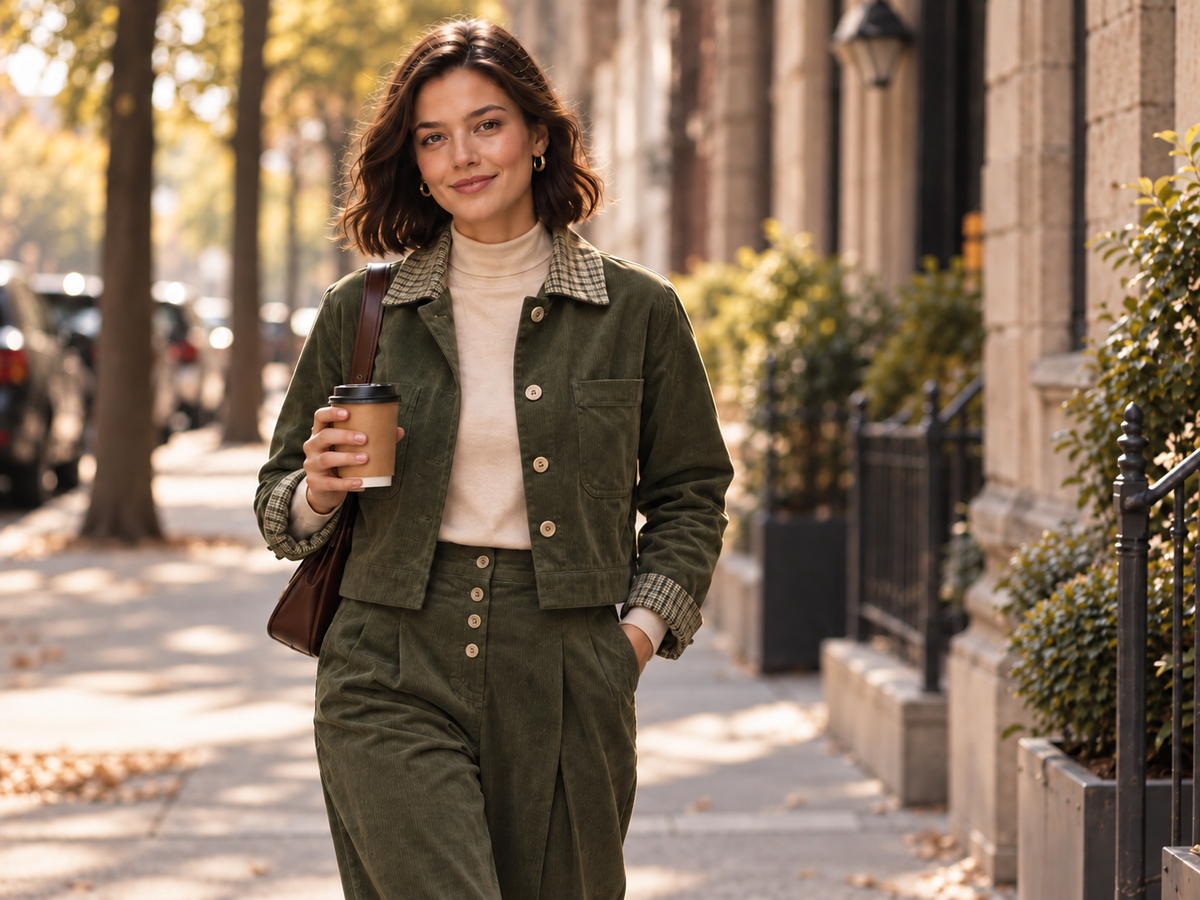
ALBA 100% Linen Ankle Pants
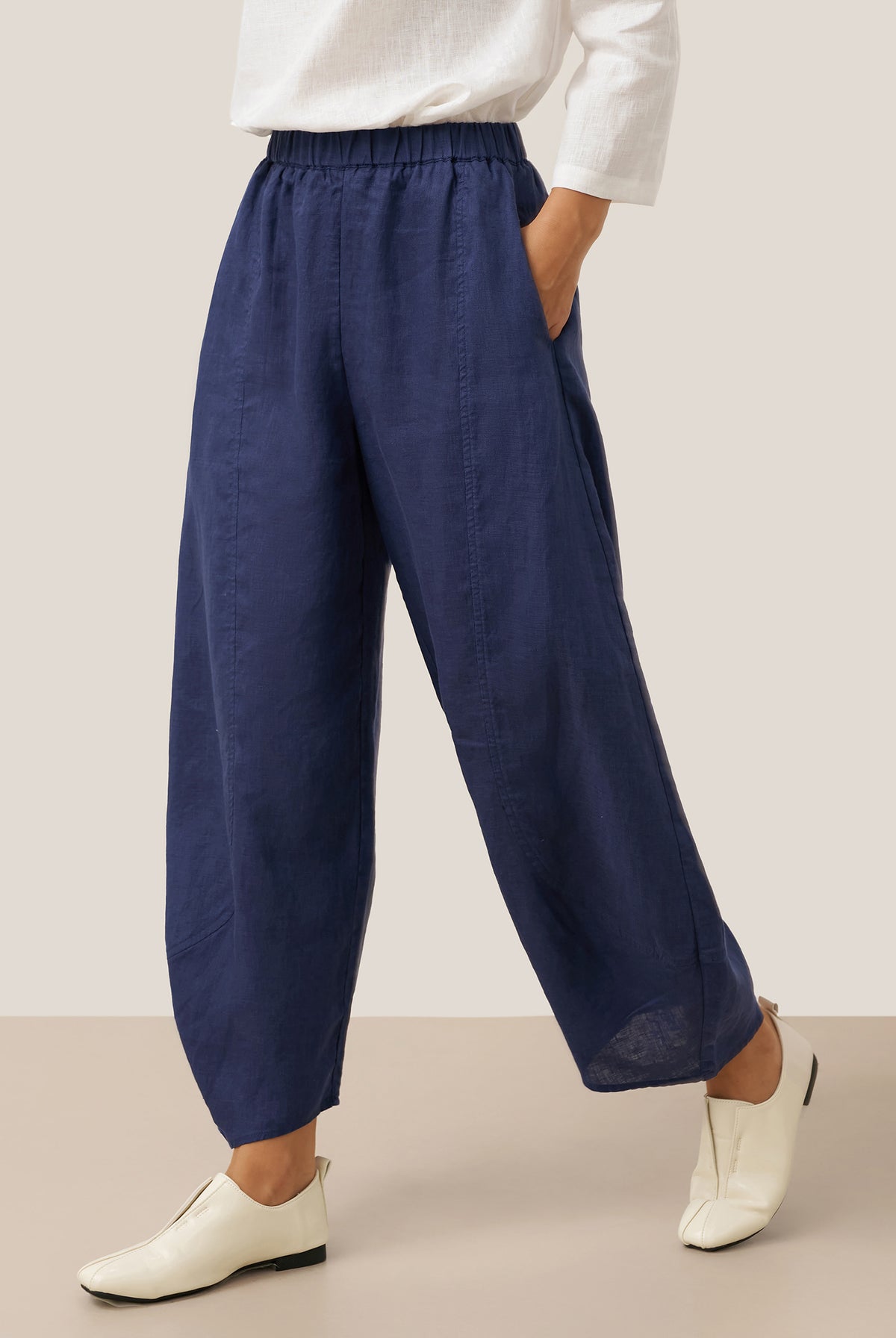
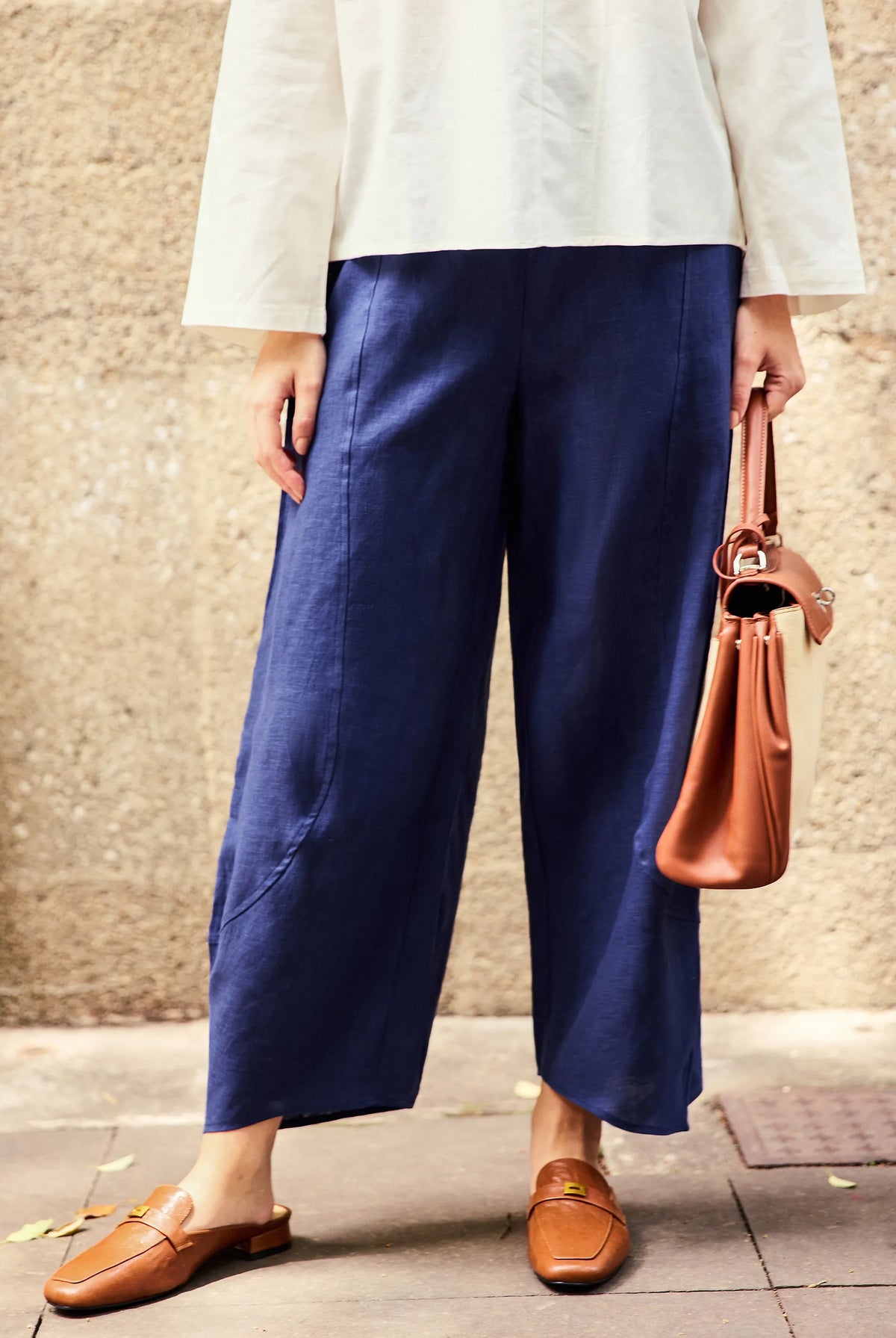
The live listing identifies a 100% linen, 195 g/m² fabric, tapered ankle shape, elasticated back waist, side pockets, decorative wood buttons, and slit hems.
What that supports: a clear fiber-content statement, a substantial listed fabric weight, and visible trim details a shopper can inspect.
What it does not prove: the farming footprint, dye impact, button sourcing, or guaranteed longevity.
Natural Melange, S–XXL
5 variants available

Lightweight example · $79.90
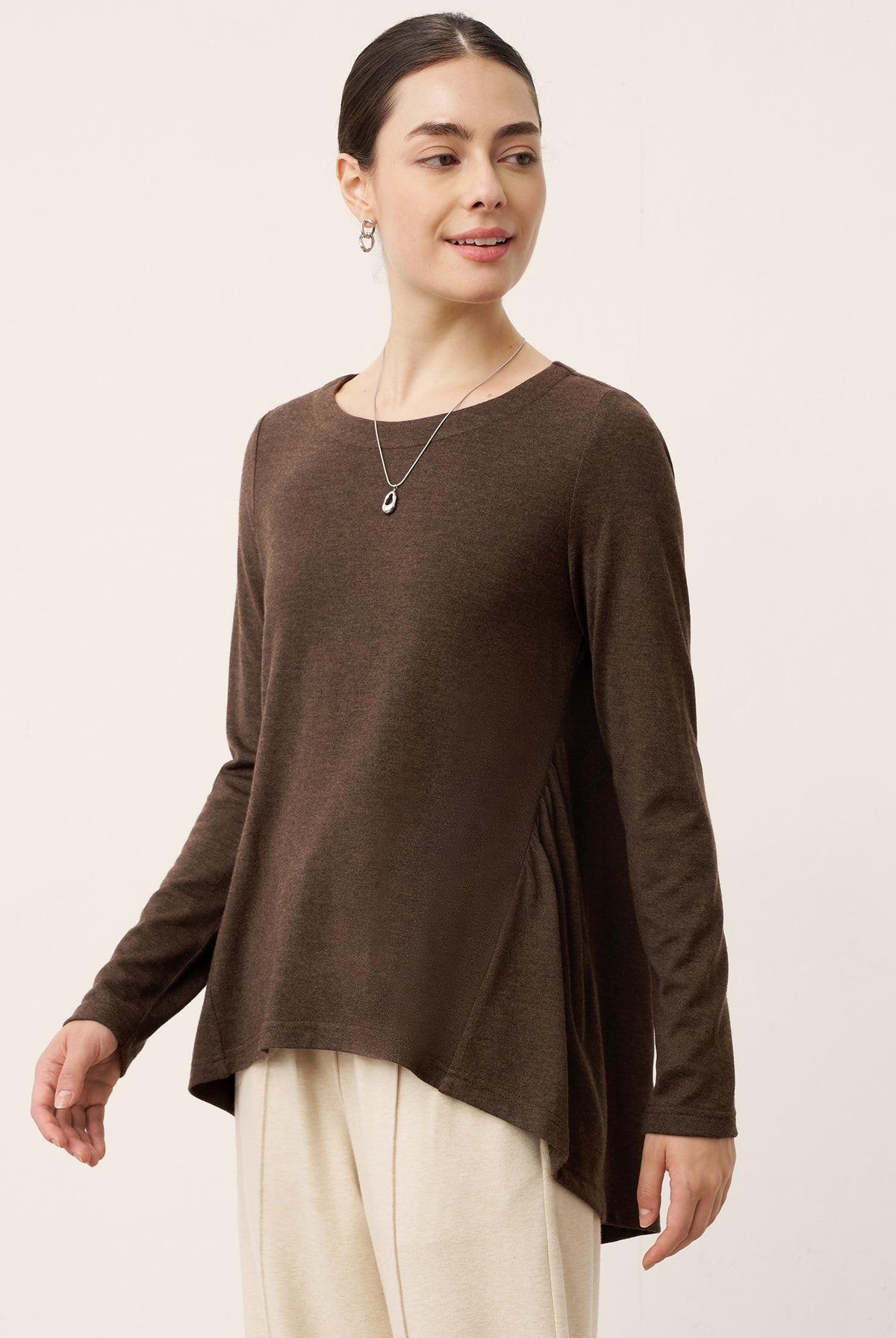
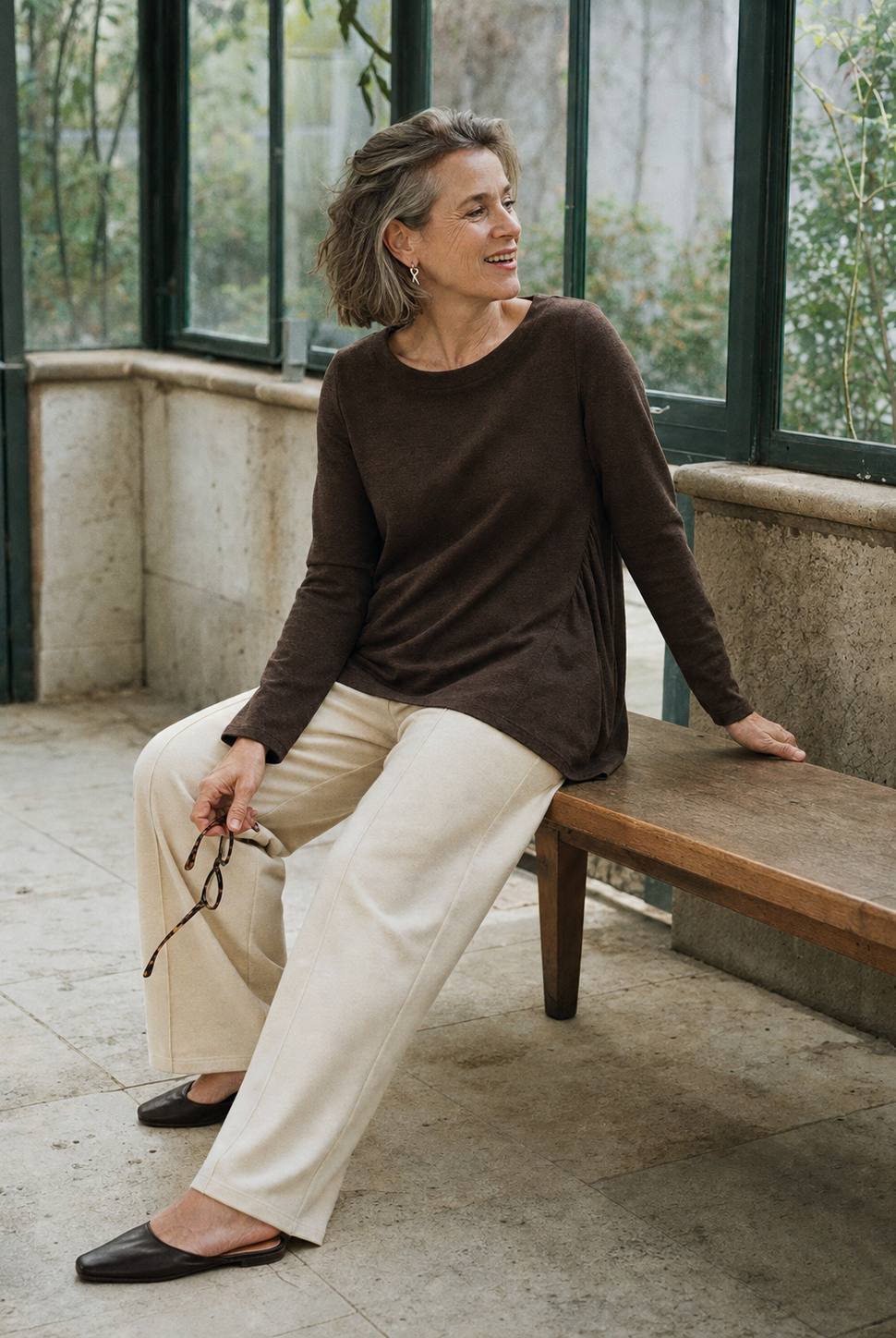
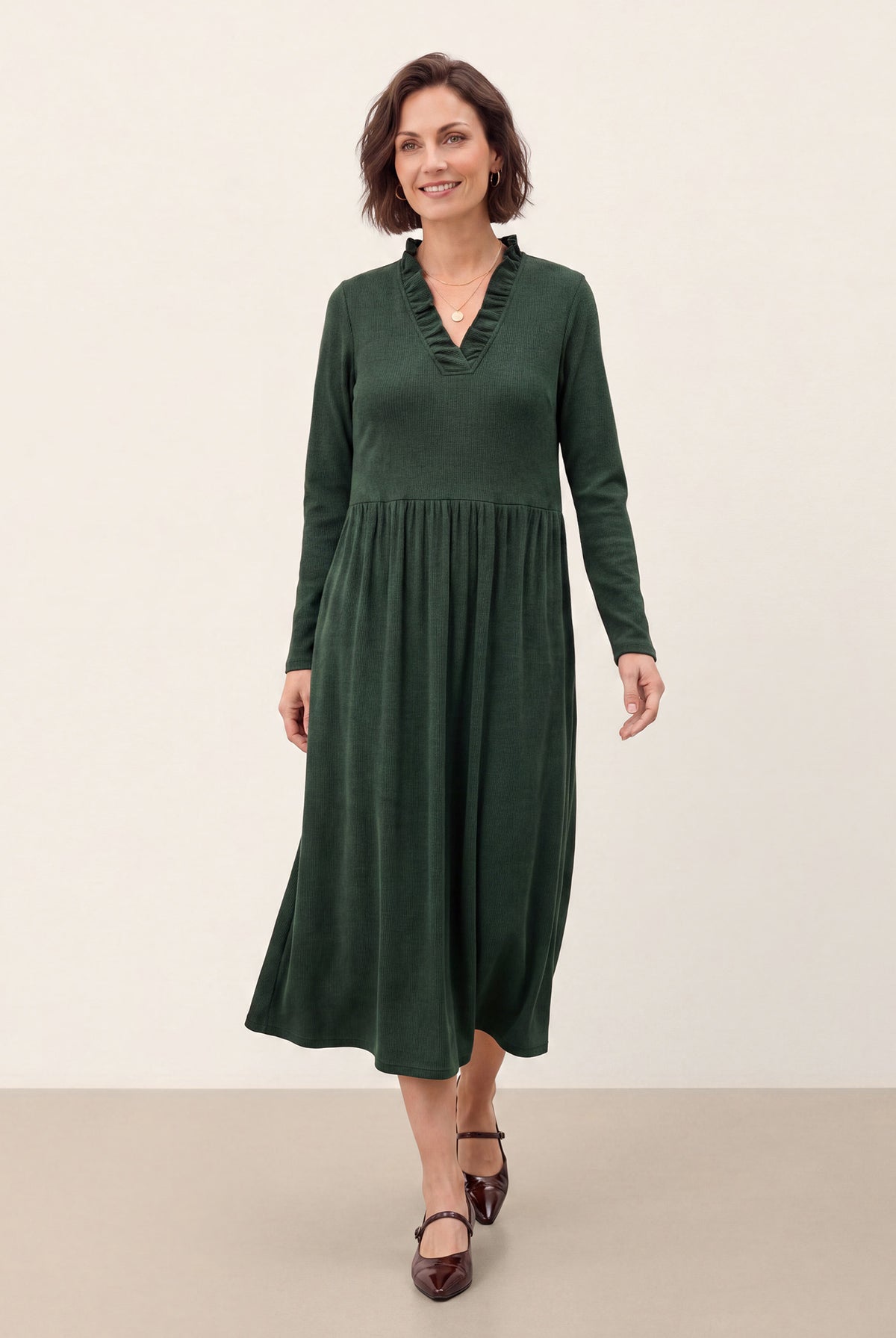
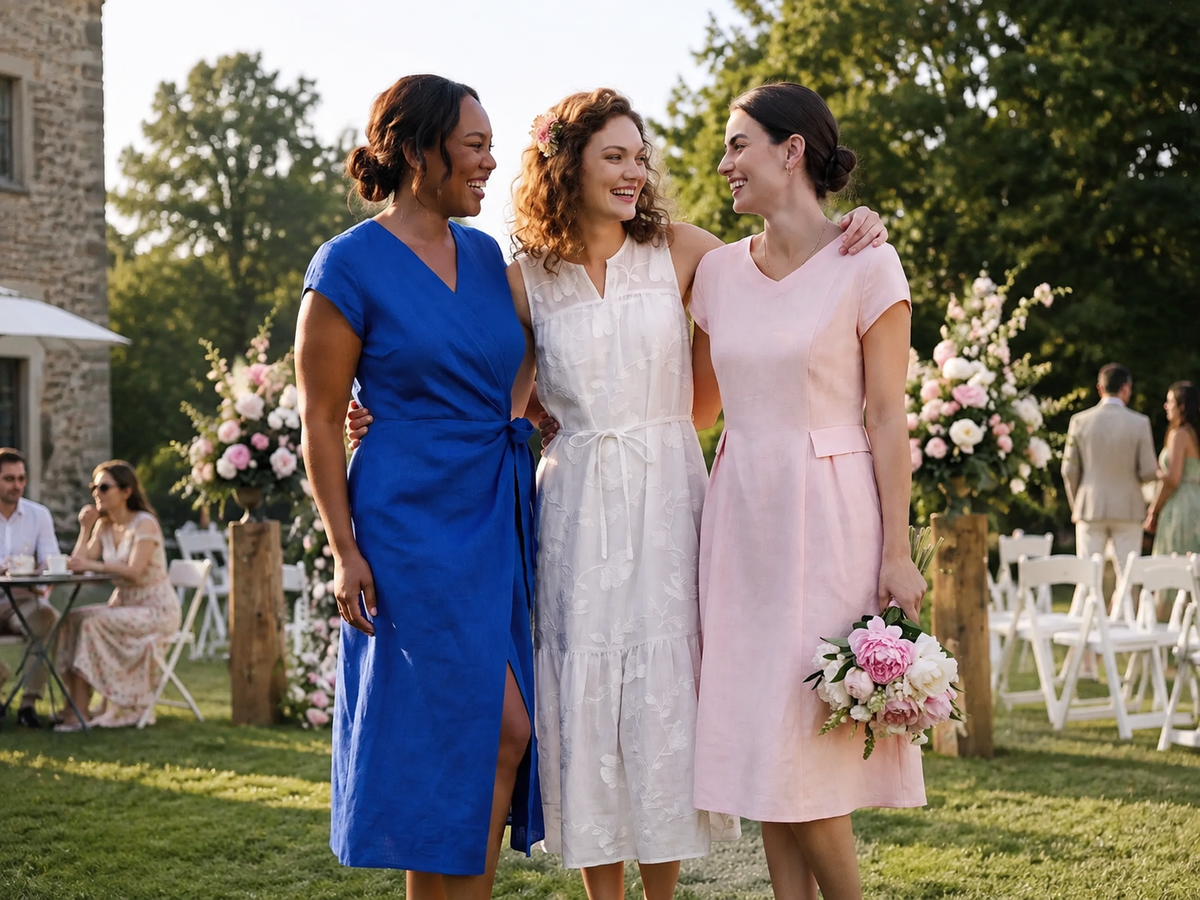
ISOBEL 100% Linen Pintuck Top
The listing identifies 100% linen at 136 g/m², a relaxed H-line fit, pintuck front, shell-button half placket, short sleeves, and a high-low hem.
What that supports: a lightweight pure-linen composition and specific construction details that can be assessed for fit and care.
What it does not prove: lower total impact than another top or verified origin for every input.
Smoky Rose, S–XXL
5 variants available

Versatile silhouette · $119.90
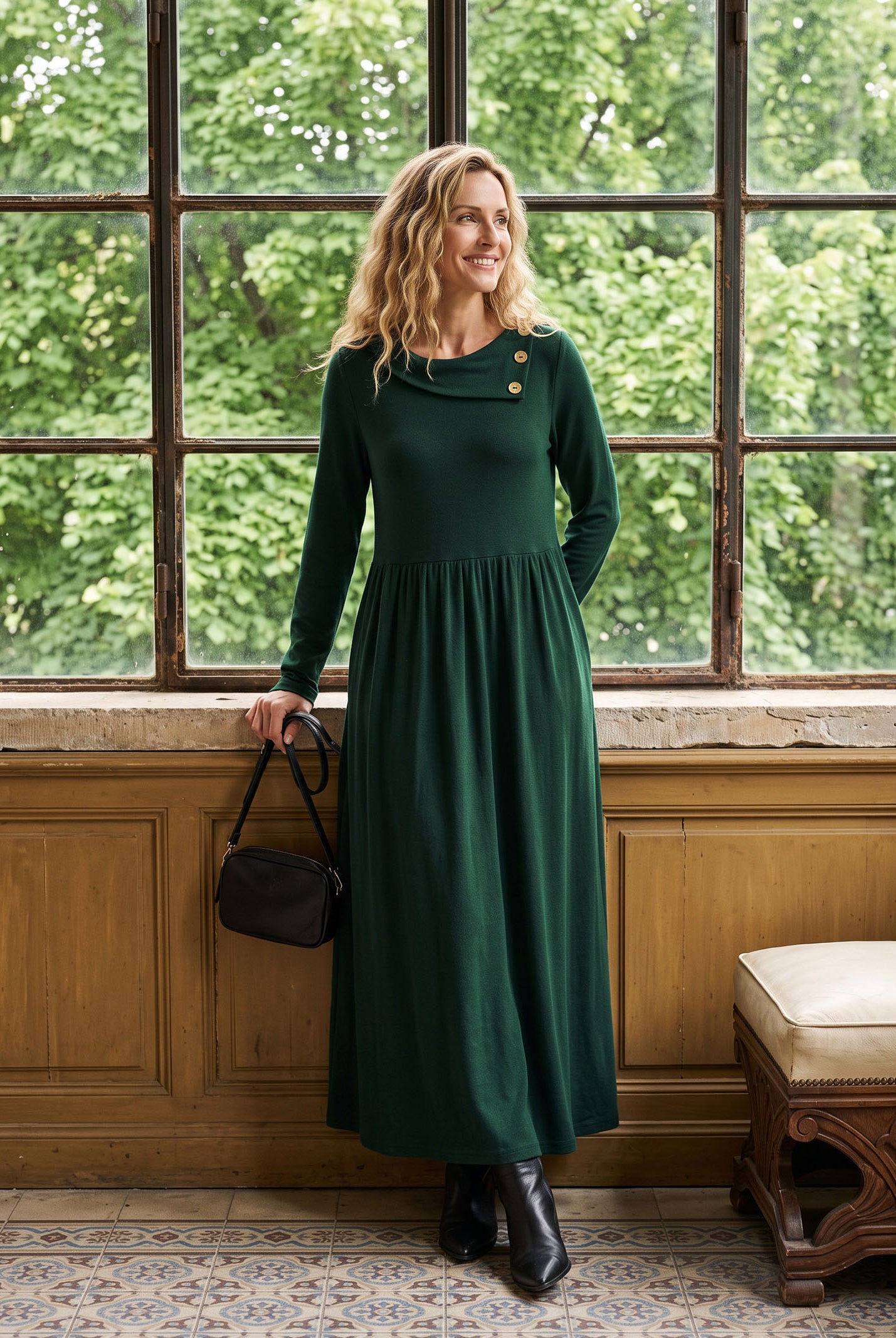
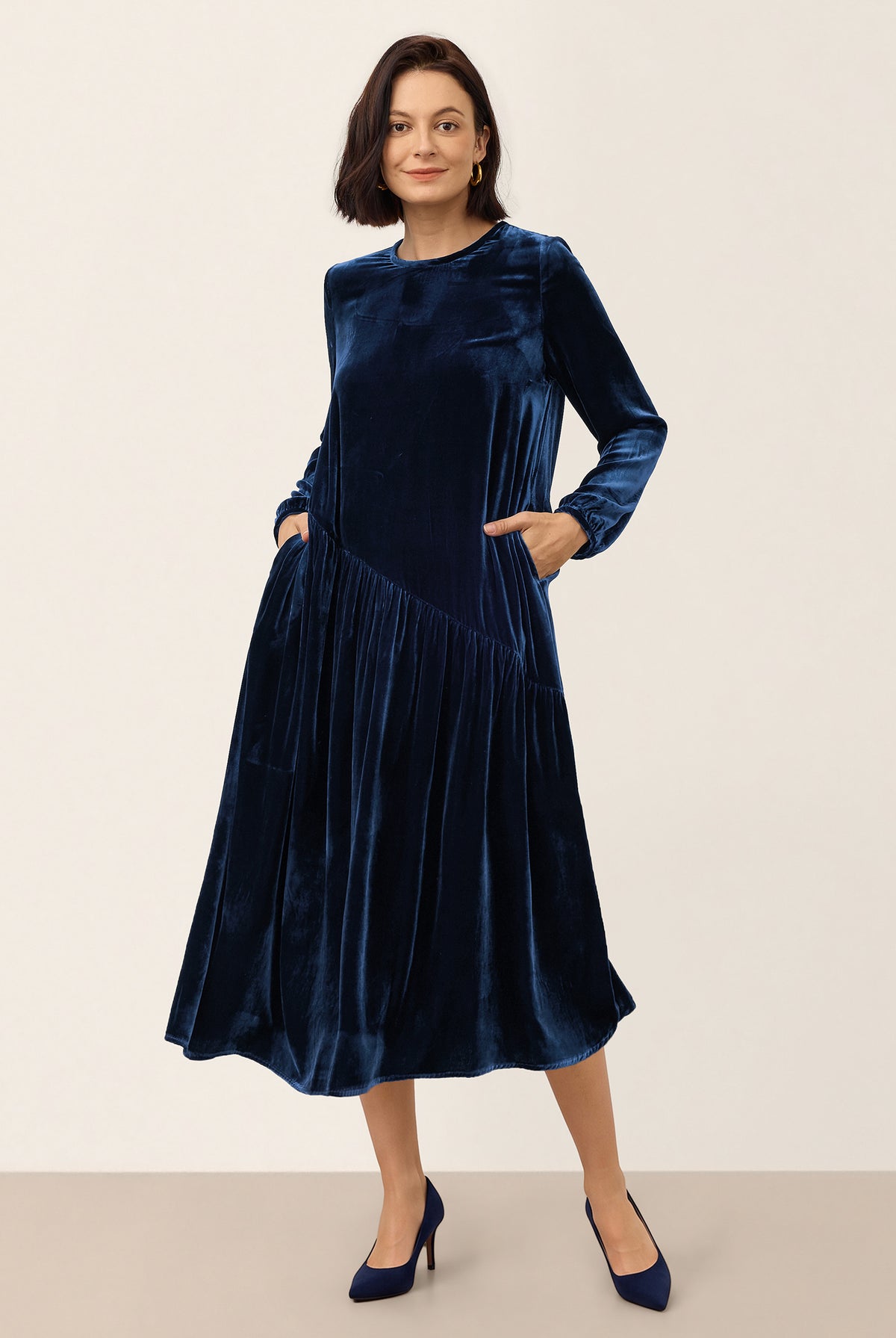
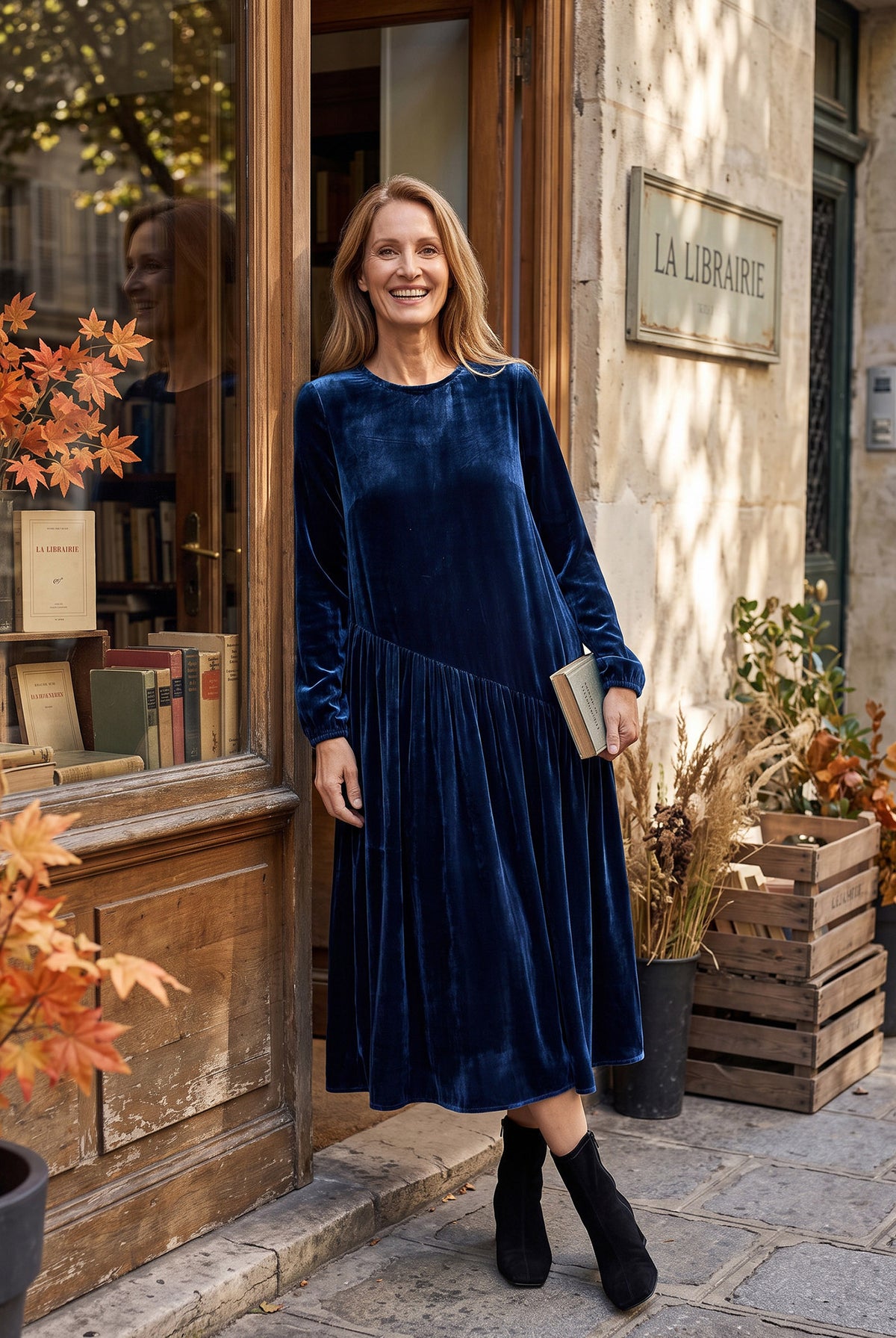
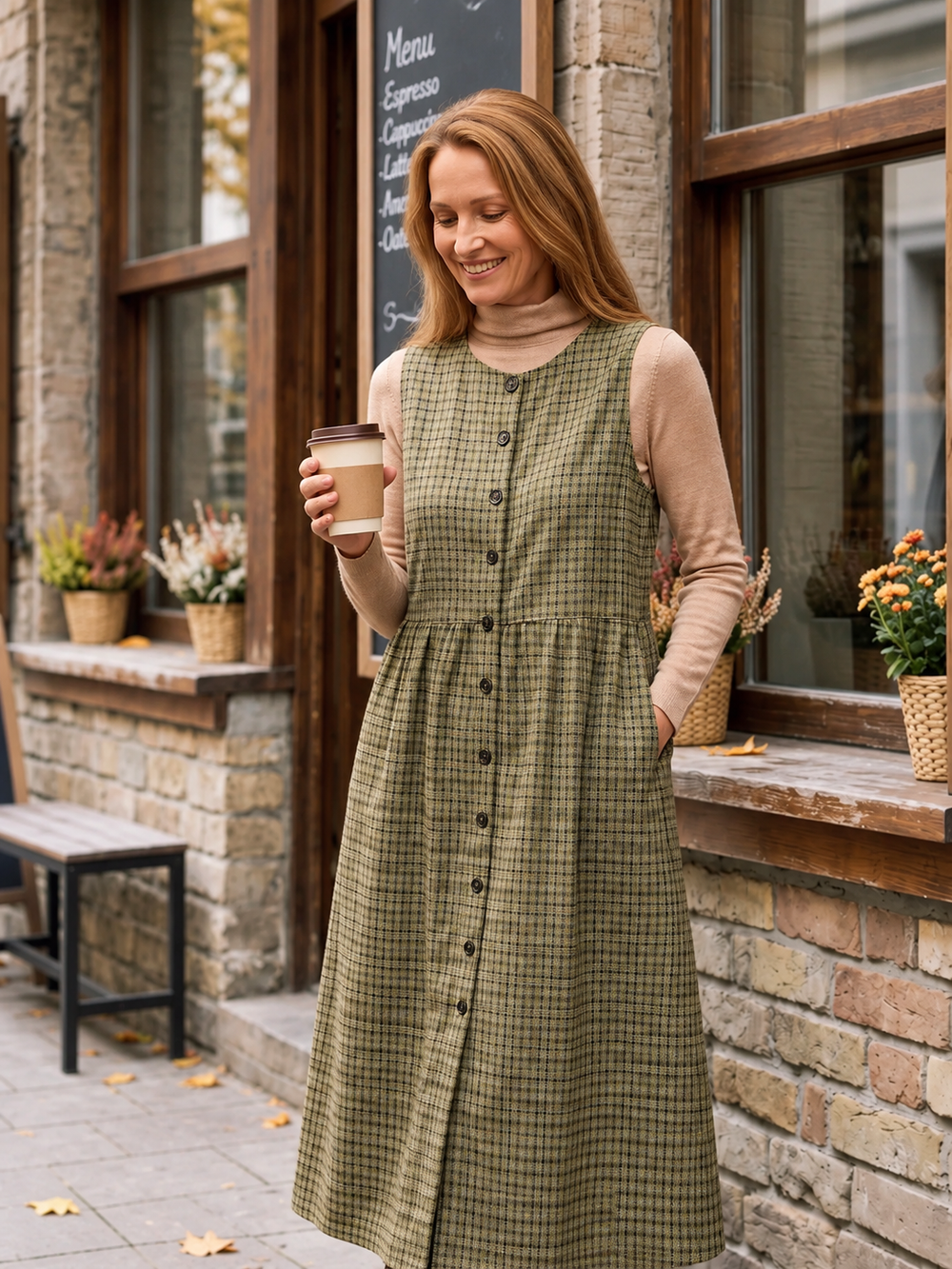
ELIORA 100% Linen Midi Dress
The listing identifies 100% linen at 145 g/m², a shaped bodice, A-line midi skirt, three-quarter sleeves, mother-of-pearl buttons, keyhole back, and angled side pockets.
What that supports: an explicit composition, medium listed weight, useful pockets, and a silhouette designed for more than one setting.
What it does not prove: how often a particular owner will wear it or a product-level lifecycle score.
Washed Blue, S–XXL
5 variants available

Product prices, descriptions, tags, images, and availability are snapshots, not permanent guarantees. Recheck the live product page before ordering.
The lower-impact habit is not a slogan
The European Commission's textile strategy centers durability, reusability, repairability, and longer use. A shopper can act on those principles without pretending to calculate a product footprint at home.
Frequently asked questions
Is linen more sustainable than polyester?
There is no universal answer without a defined product, impact category, lifecycle boundary, and use pattern. Linen is plant-based while polyester is fossil-derived, but agriculture, processing, dyeing, durability, care, and end of life can change the comparison.
Does linen use less water than cotton?
That claim depends on geography, rainfall, irrigation, yield, processing, and the study method. Treat broad water comparisons as context-specific unless the source defines its system and data.
Is 100% linen biodegradable?
Pure untreated flax fiber can biodegrade under suitable conditions, but a finished garment may include dyes, finishes, thread, labels, elastic, buttons, or other components. Local disposal conditions also matter, so biodegradability is not a reason to discard early.
Is European flax automatically certified?
No. Geographic wording and third-party certification are different claims. Look for the specific scheme, current certificate, chain-of-custody scope, and confirmation that the product is covered.
What is the most practical way to reduce a linen garment's impact?
Choose a piece you will wear repeatedly, care for it according to its label, repair it early, and keep it in use. Those actions align with the EEA and European Commission emphasis on durability, reuse, and repair.
Sources and evidence boundaries
- European Environment Agency — Textiles and the environment: the role of design in Europe’s circular economy.
- European Environment Agency — Circularity of the EU textiles value chain in numbers.
- European Commission — EU Strategy for Sustainable and Circular Textiles.
- Peer-reviewed study — Evaluating Environmental Impact of Natural and Synthetic Fibers: A Life Cycle Assessment Approach.
- LINTICO material story, care guide, and live product pages, checked August 15, 2026.
Choose evidence, then choose what you will wear
Explore current LINTICO Best Sellers by composition, weight, construction, fit, and real-life usefulness—not by one material claim alone.
Shop Best SellersThis article is educational, not a product-level lifecycle assessment or certification statement. Environmental results vary with geography, technology, allocation method, functional unit, use, and end-of-life assumptions. Product data checked August 15, 2026 and may change.