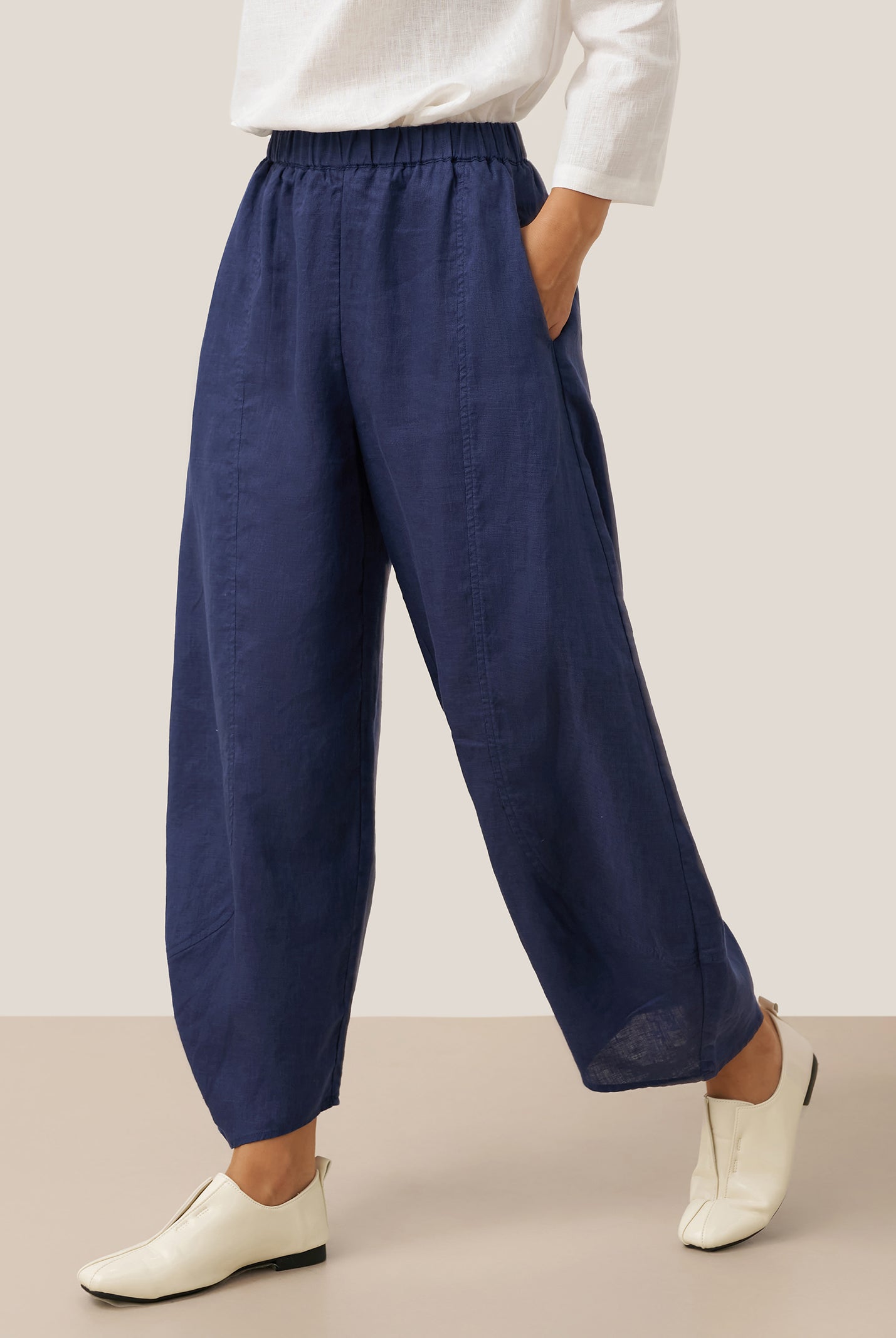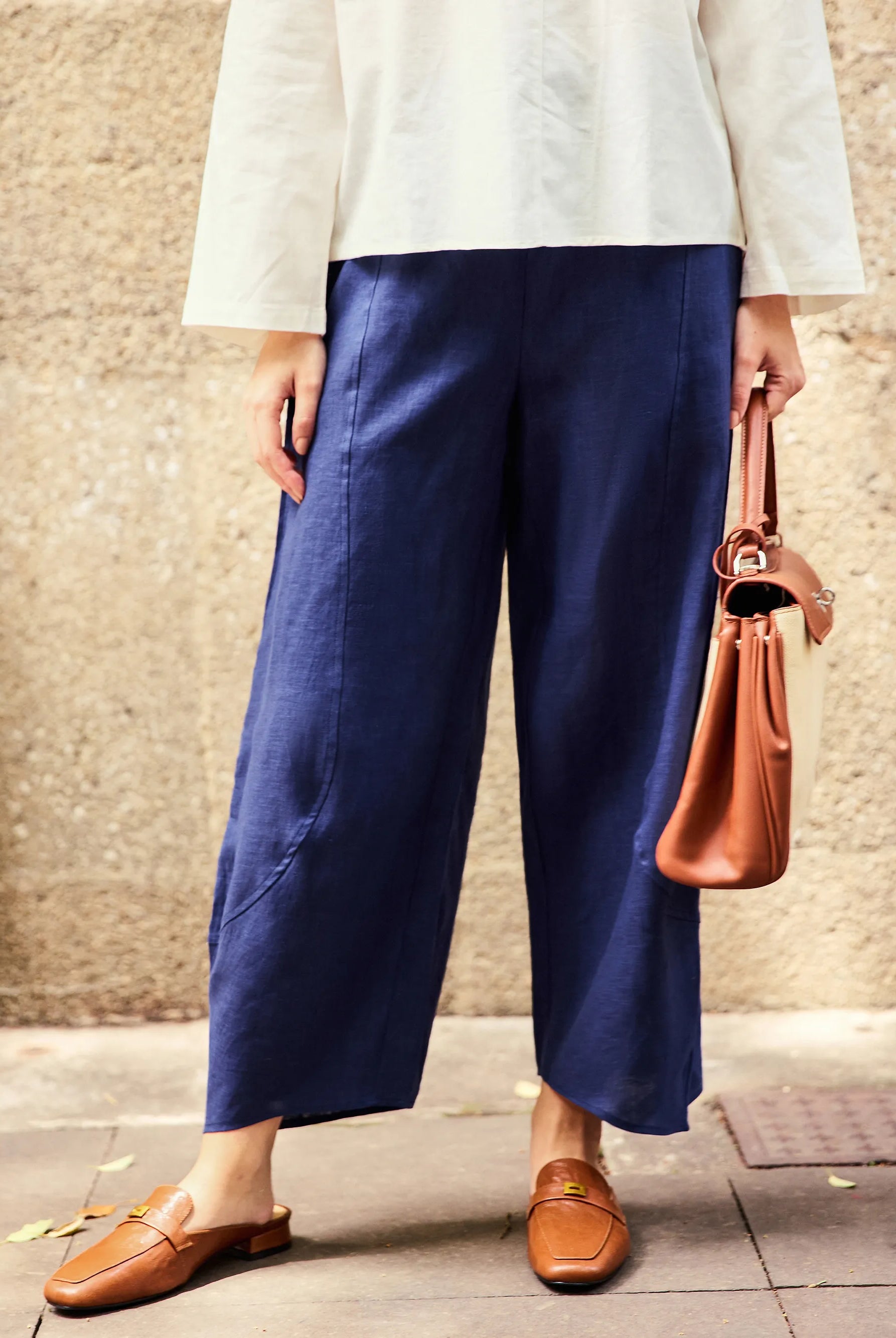



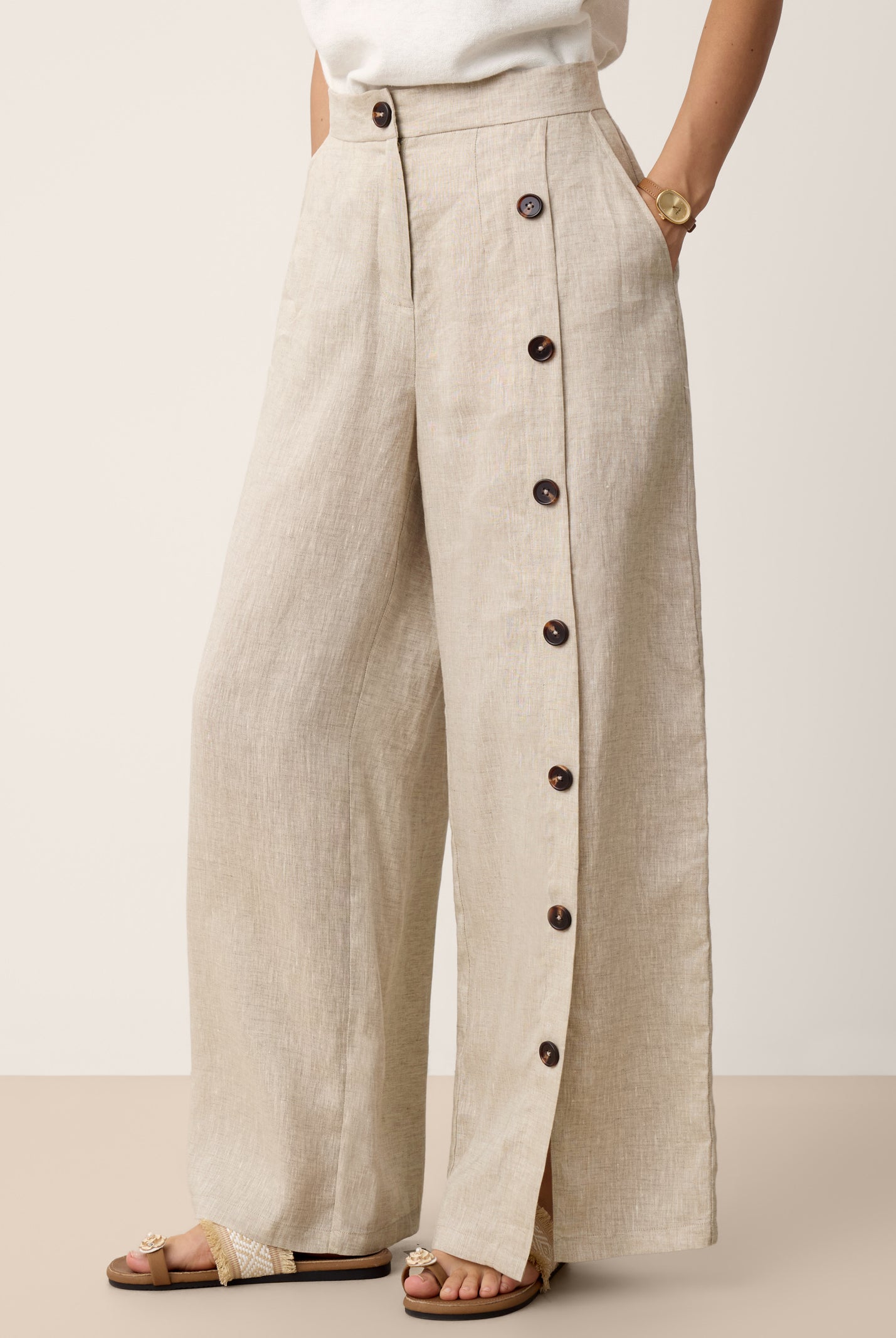
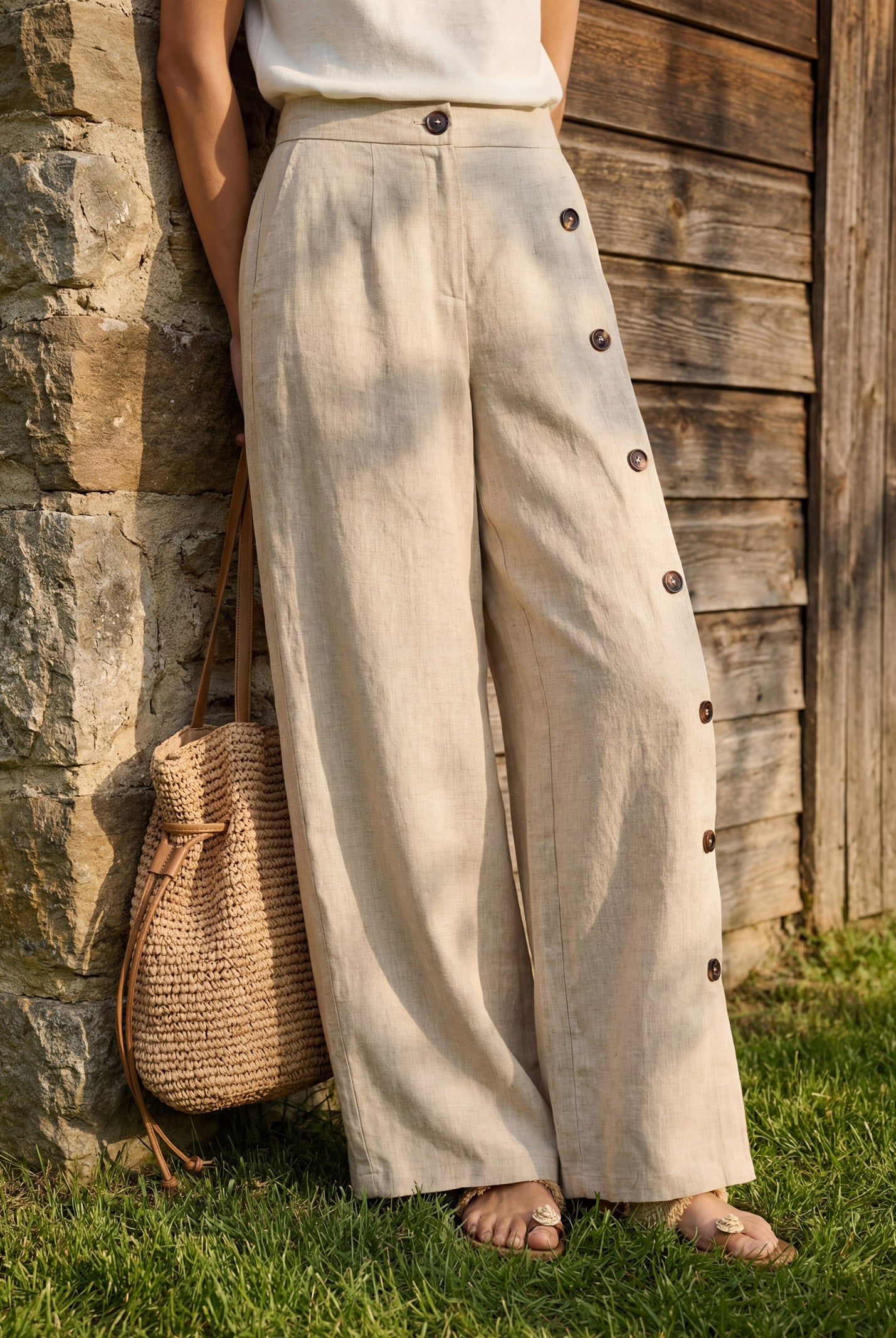






Adjustable comfort
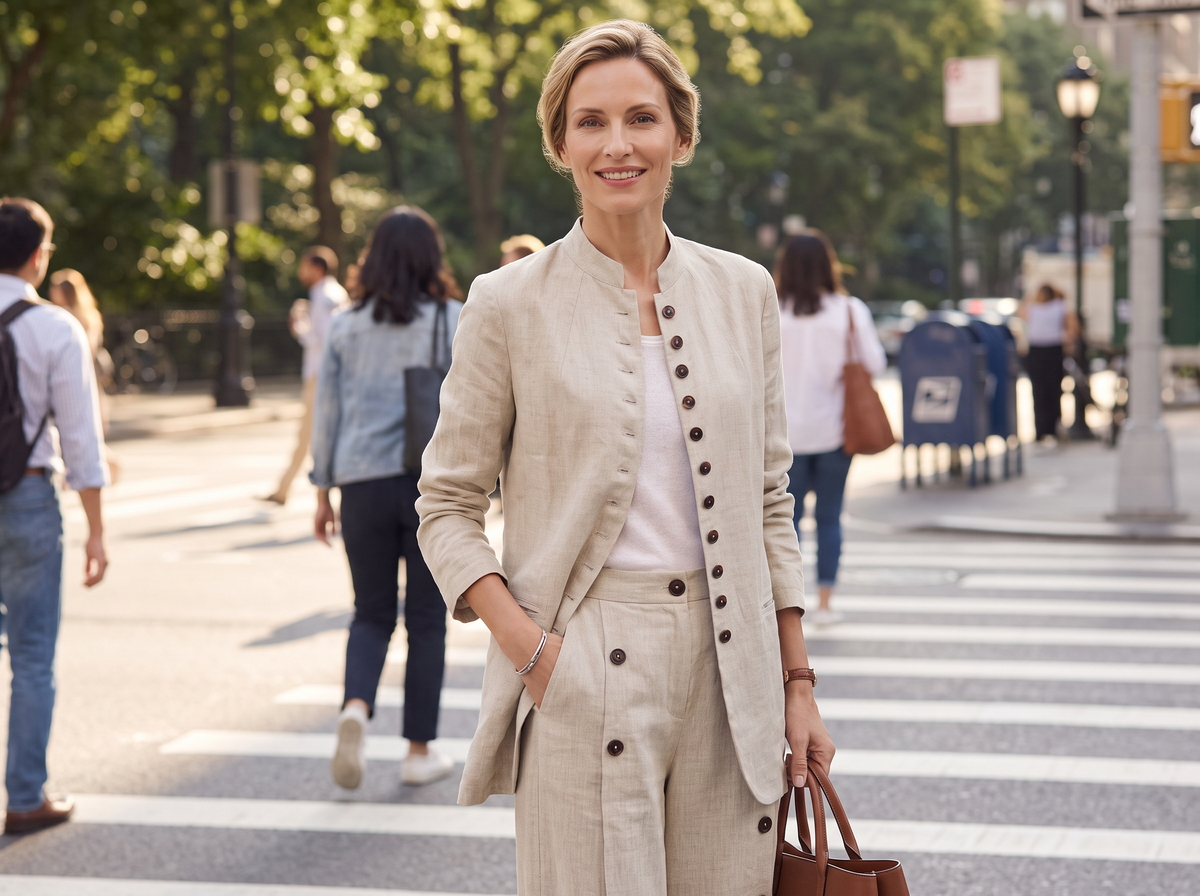
KATYA Linen Pants
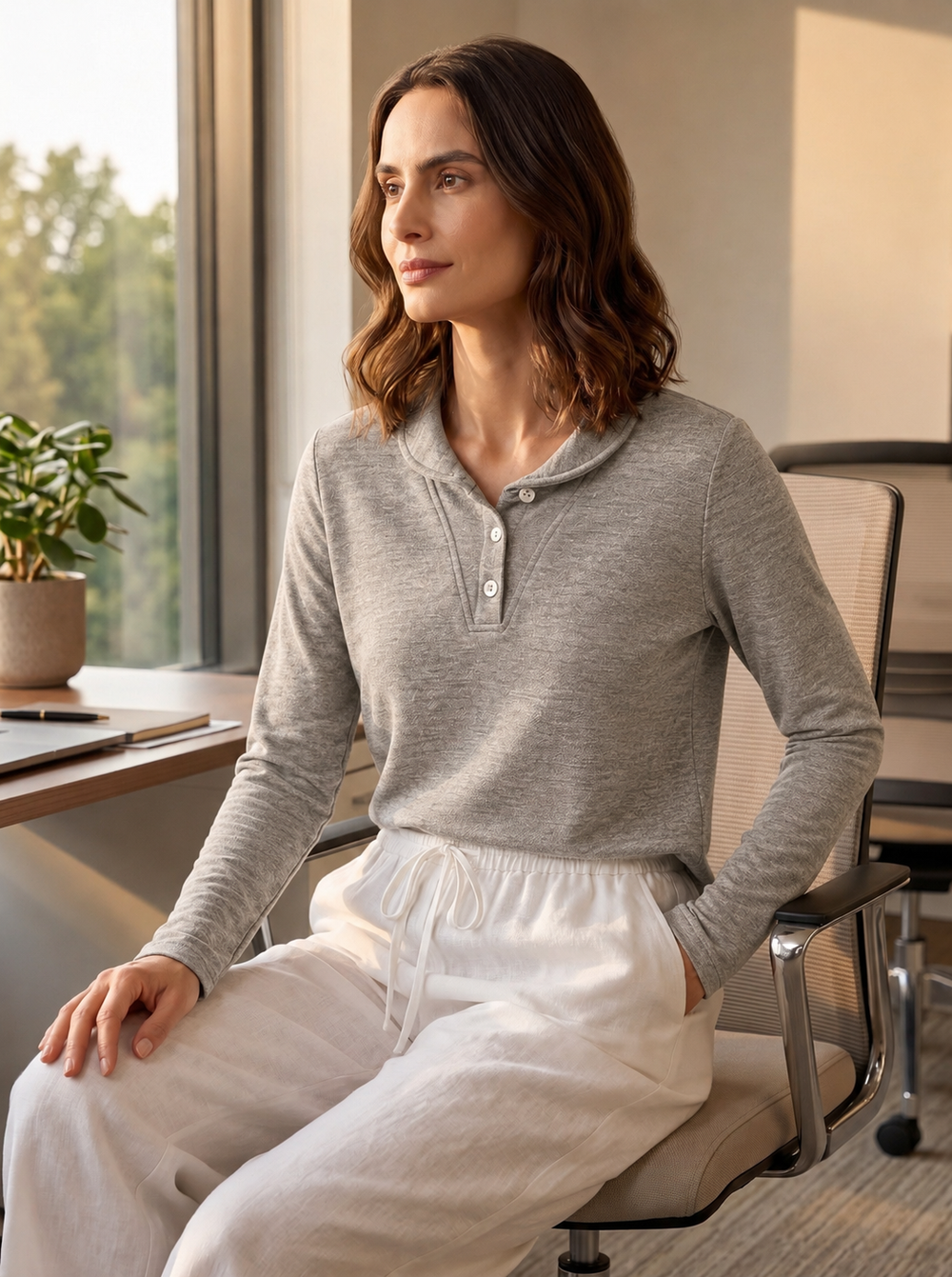
A front closure and elasticated back combine a polished waistband with everyday ease; the buttoned slit hem gives one neutral trouser a distinct finish.
NEED HELP?
Our customer care team is happy to help.


LINTICO Journal · Sustainable Craft
The most useful garment is rarely the newest one. It is the piece that still fits your life, earns repeat wear, and can be cared for or repaired instead of quickly replaced.
Clothing longevity is not a promise that one fabric, price point, or label can guarantee. It is a practical relationship between design, fit, frequency of wear, care, and the willingness to make a small repair when something changes.
+9 months
WRAP reports that extending clothing life by nine months can reduce associated carbon, water, and waste footprints by up to 20% in its UK research model.
The result is an industry-level estimate, not a footprint claim for any individual LINTICO product. The useful takeaway is simpler: fewer early replacements can reduce demand for new resources.
Source: WRAP, Extending Product Lifetimes.
A durable garment that remains unworn is still not doing useful work in a wardrobe. Start with the honest question: Can I picture at least three real situations in which I would wear this? Think of a normal week—not an imaginary holiday or a future version of your life.
The European Environment Agency identifies longer use, reuse, repair, and circular design as important routes to reducing textile pressures. The European Commission’s 2030 textile vision likewise puts durability and repairability alongside recyclability. Both perspectives shift attention from a single purchase moment to a garment’s full period of use.
Cost per wear cannot measure comfort, environmental impact, or craftsmanship. It can, however, reveal whether a “bargain” that is worn twice really offers more value than a considered piece used for years.
| Hypothetical purchase | Wears | Cost per wear | What changes the result |
|---|---|---|---|
| $60 occasion piece | 3 | $20.00 | Few styling opportunities |
| $120 everyday piece | 20 | $6.00 | A first season of regular use |
| $120 everyday piece | 60 | $2.00 | Repeat wear across several seasons |
Illustrative arithmetic only. Cost per wear = purchase price ÷ number of wears; it is not an environmental lifecycle calculation.
Comfort through sitting, walking, and reaching—not only in a mirror pose.
A weight and hand that suit the season and the way you actually dress.
Adjustable or easy silhouettes can accommodate ordinary changes in styling and fit.
Buttons, hems, and straightforward seams are often easier to maintain than complex finishes.
A piece should connect with shoes, layers, and colors you already own.
Waiting until a garment looks tired makes maintenance feel difficult. Small, timely habits are usually gentler and easier.
Air the piece before deciding it needs washing. Empty pockets, release ties, and store it without crushing the shape.
Follow the garment label, fasten buttons, use a gentle cycle where directed, and avoid overloading the machine.
Reshape seams and hems while damp. Dry according to the care label rather than relying on high heat as a default.
Clean before storage, mend loose buttons, and store in a dry, breathable space away from prolonged direct sun.
These current Best Seller pieces were selected for four different wardrobe roles—not as lifetime guarantees. Product details and availability were checked on August 6, 2026; always review the live product page for current color, size, price, and care information.
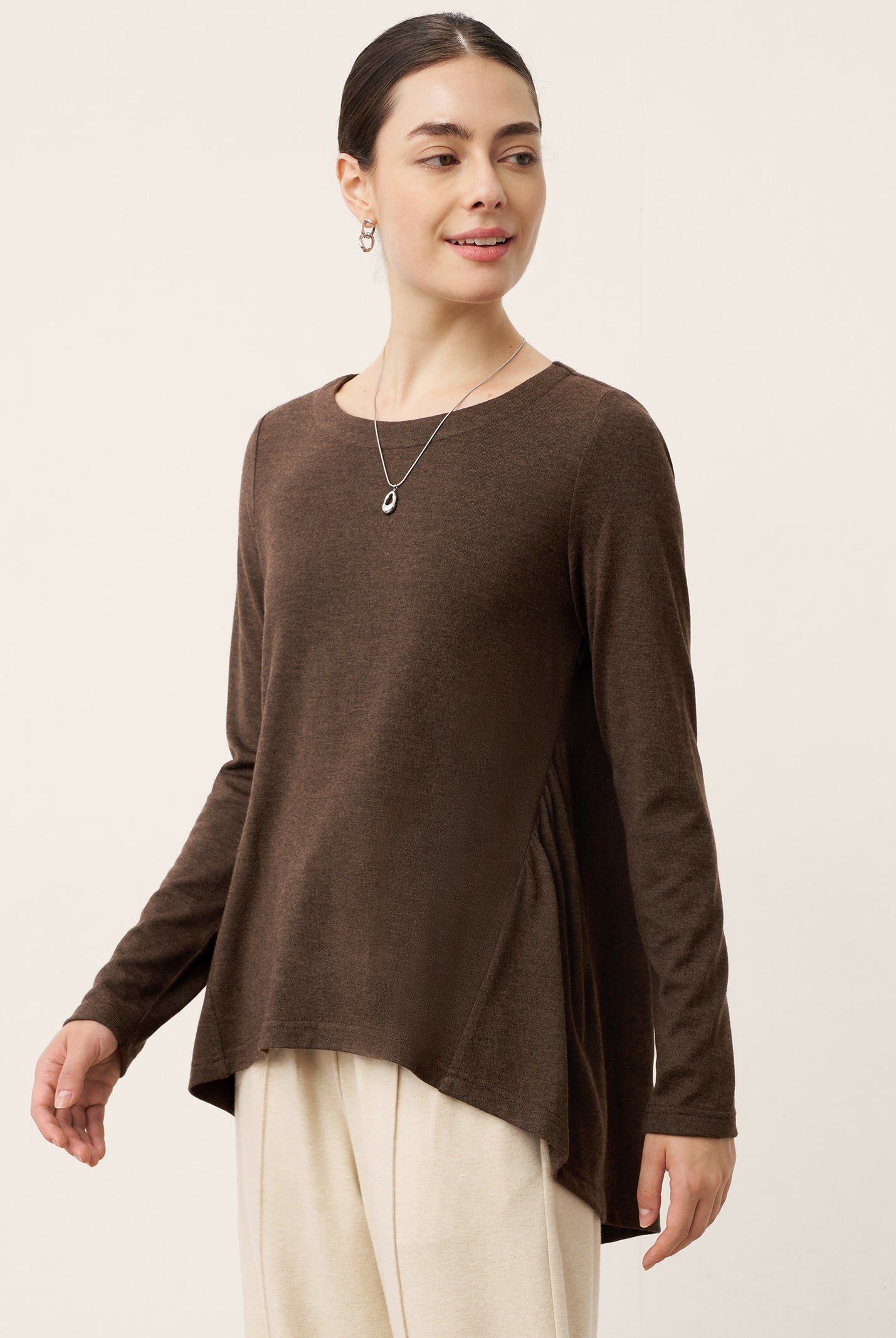
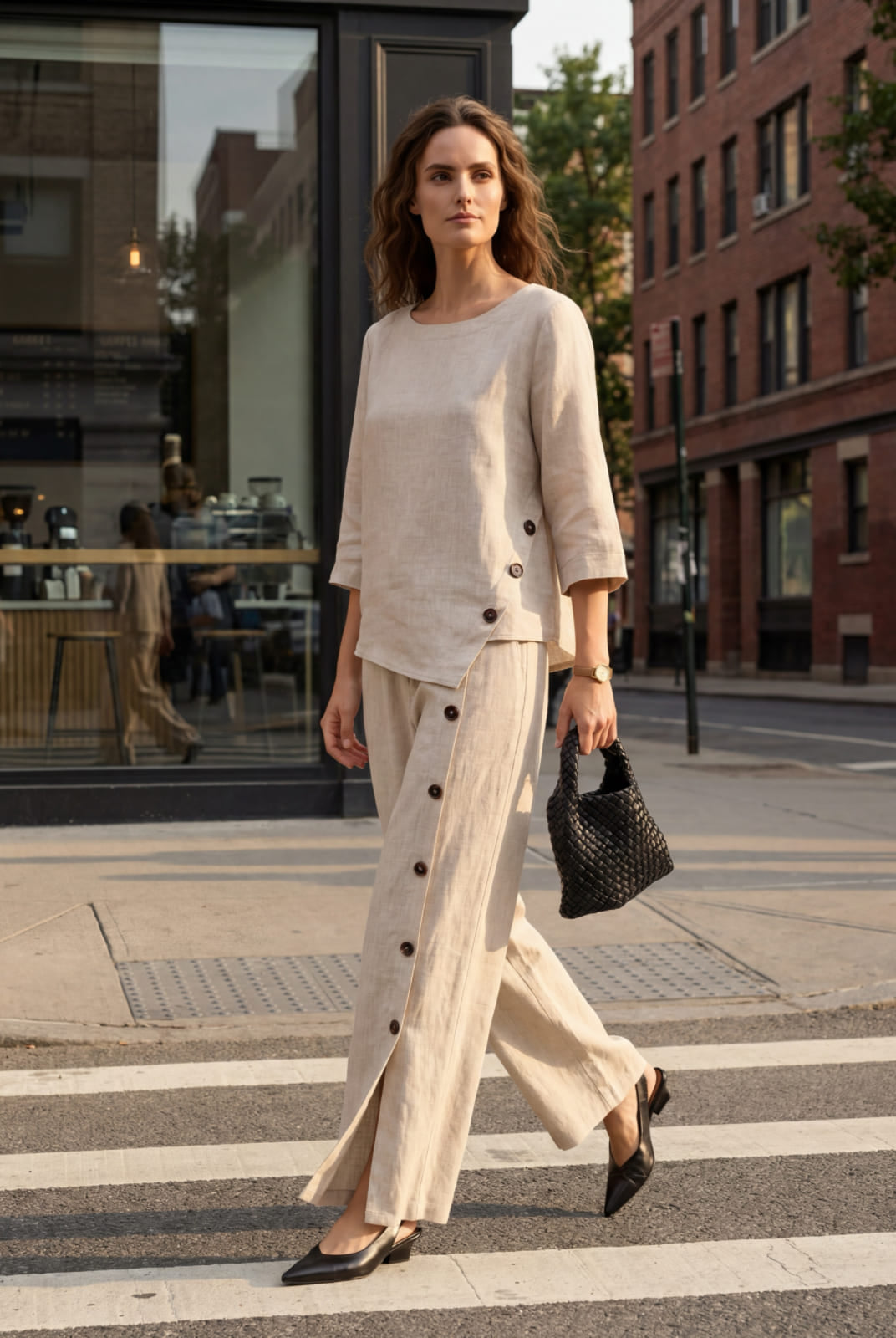
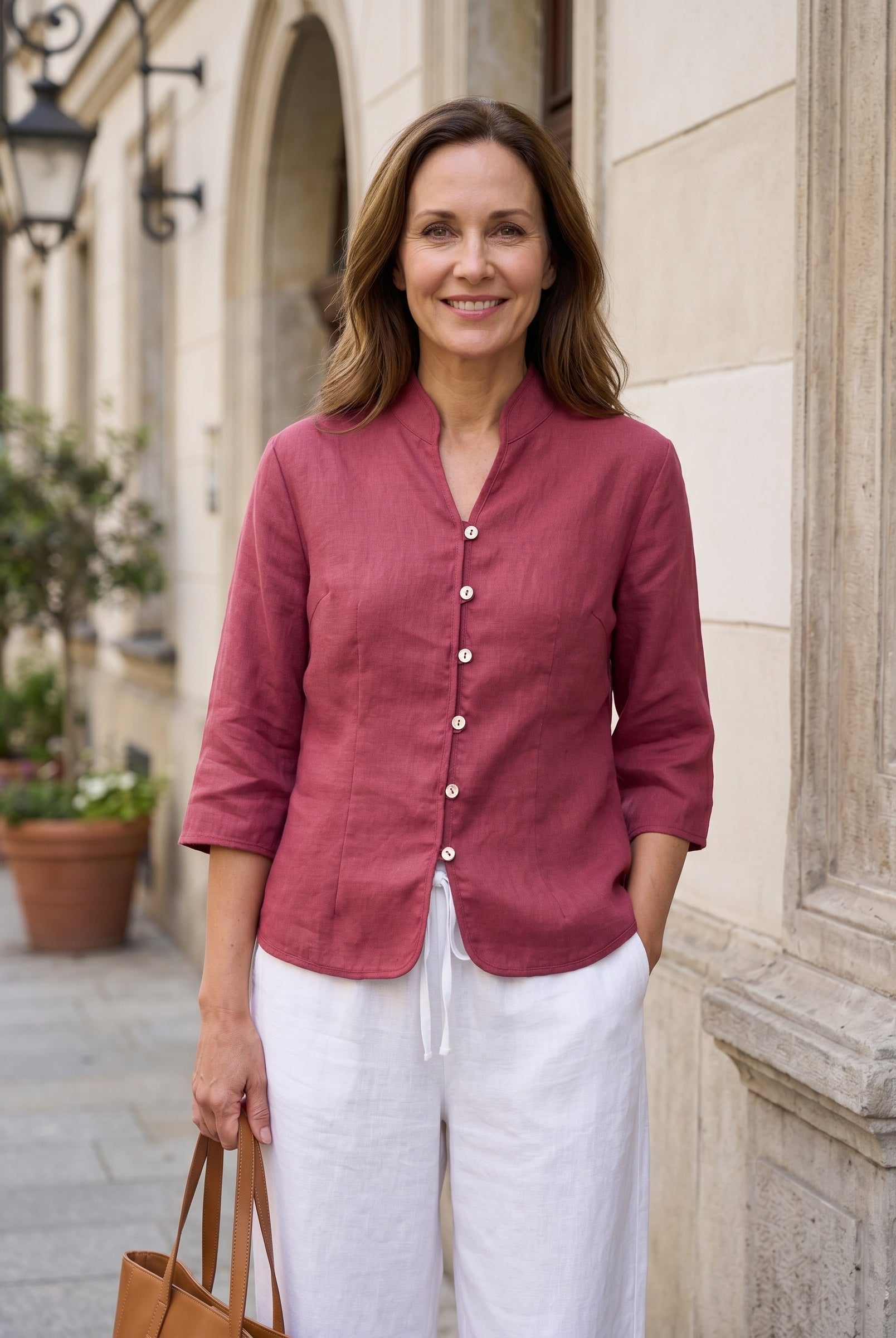
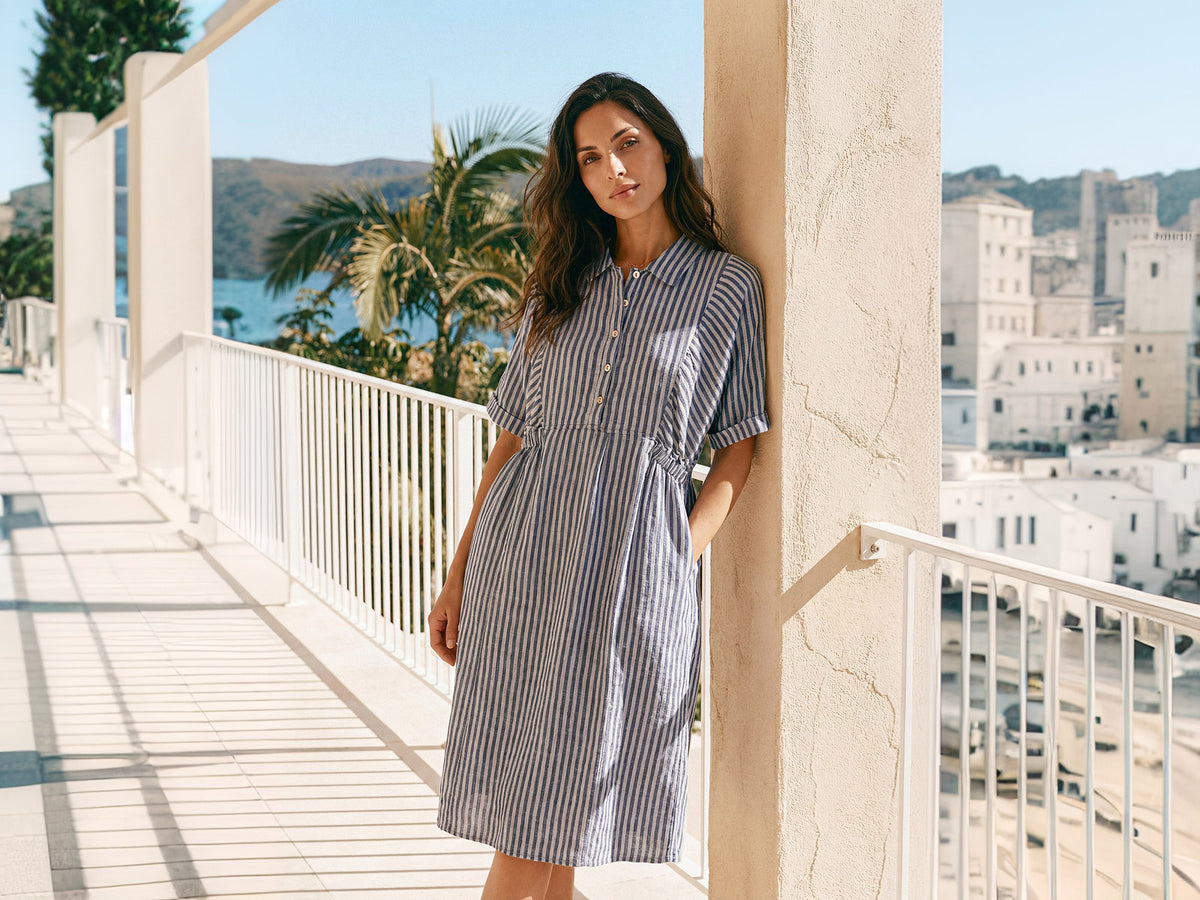
Adjustable comfort
A front closure and elasticated back combine a polished waistband with everyday ease; the buttoned slit hem gives one neutral trouser a distinct finish.

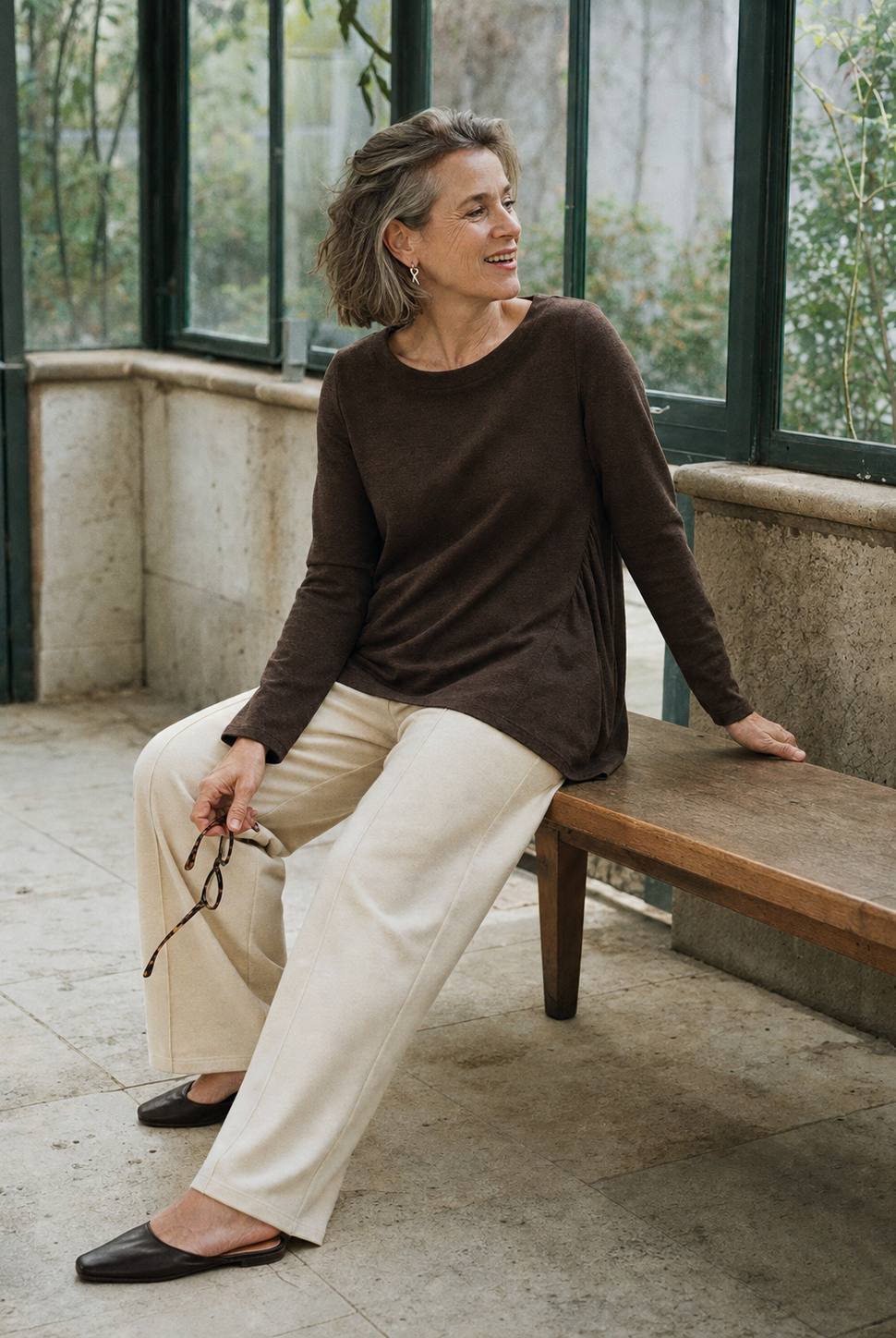
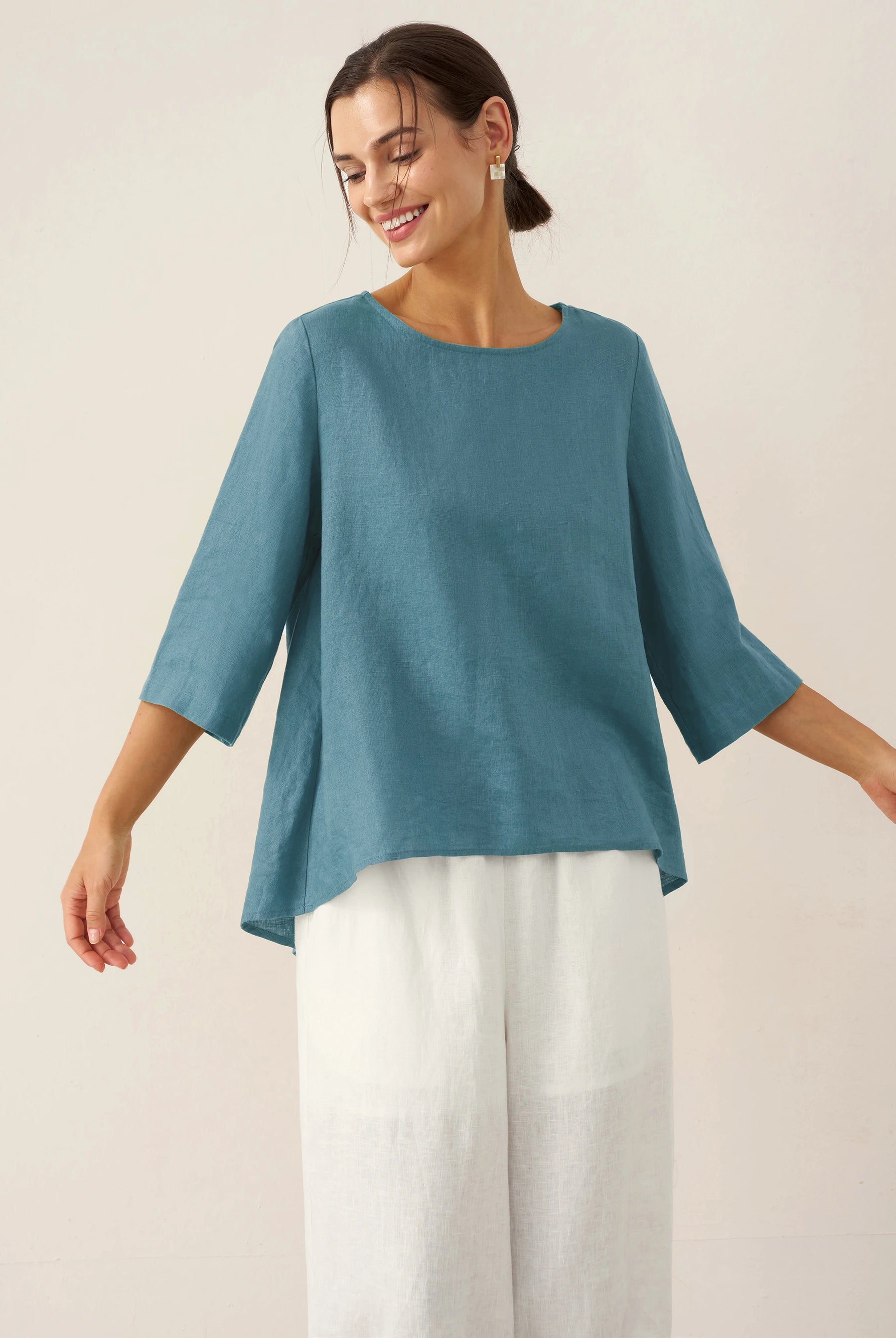
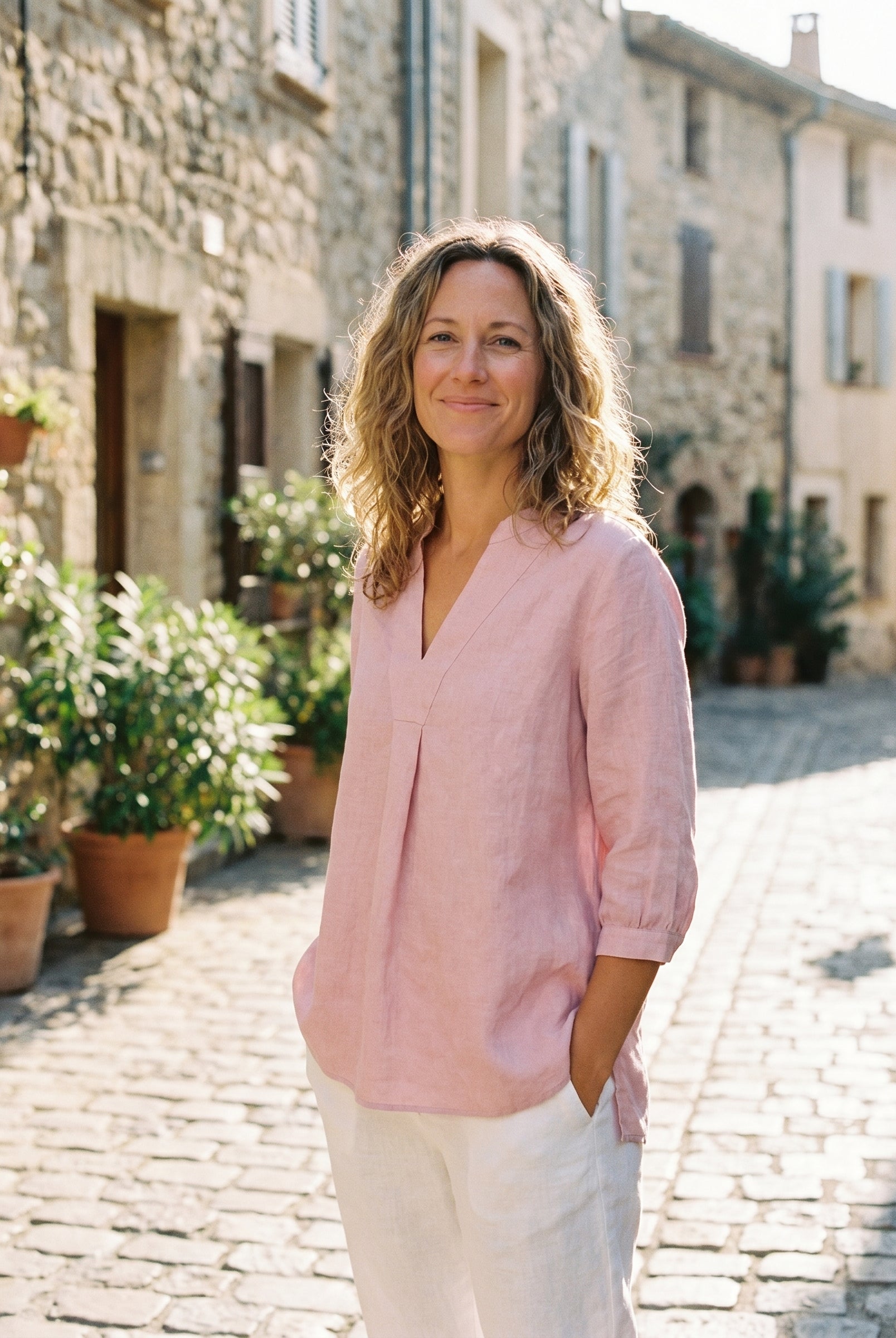
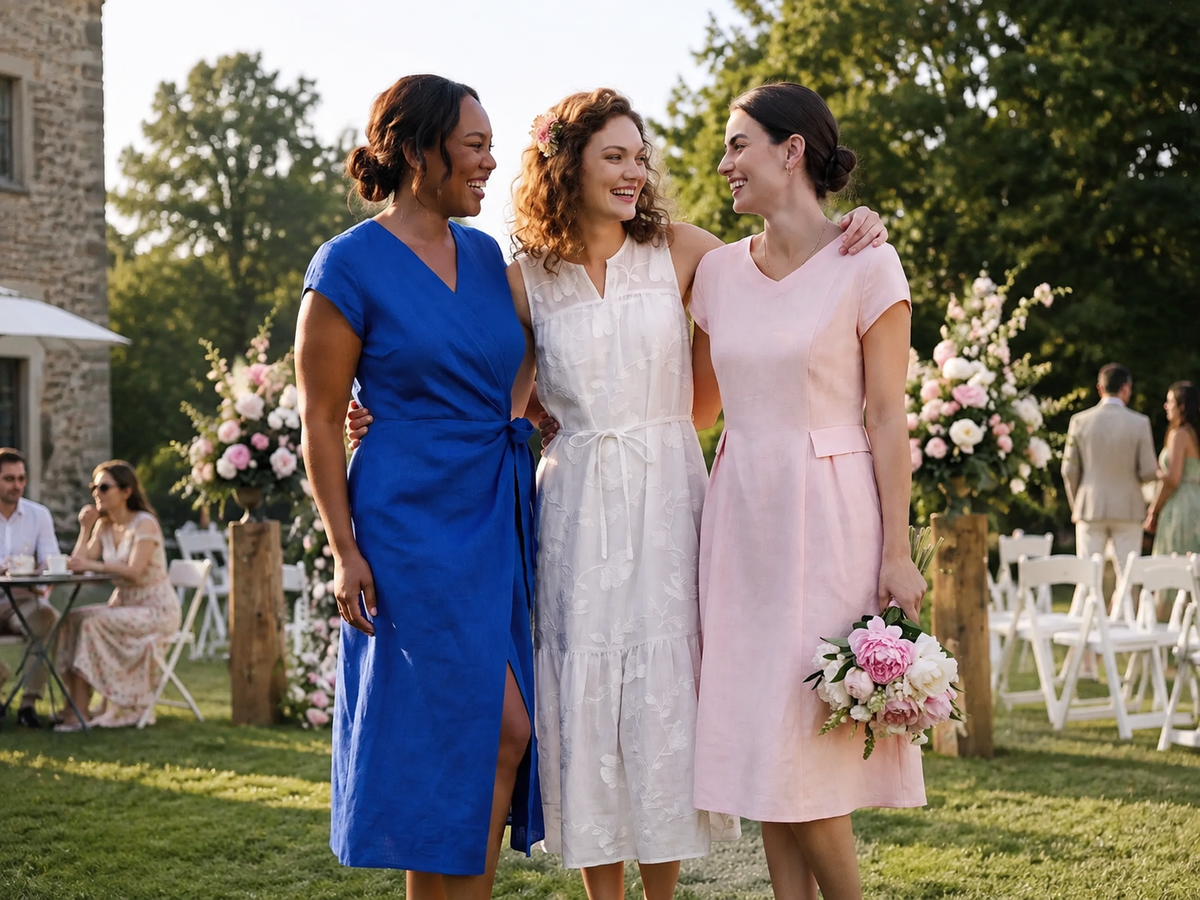
Personalized fit
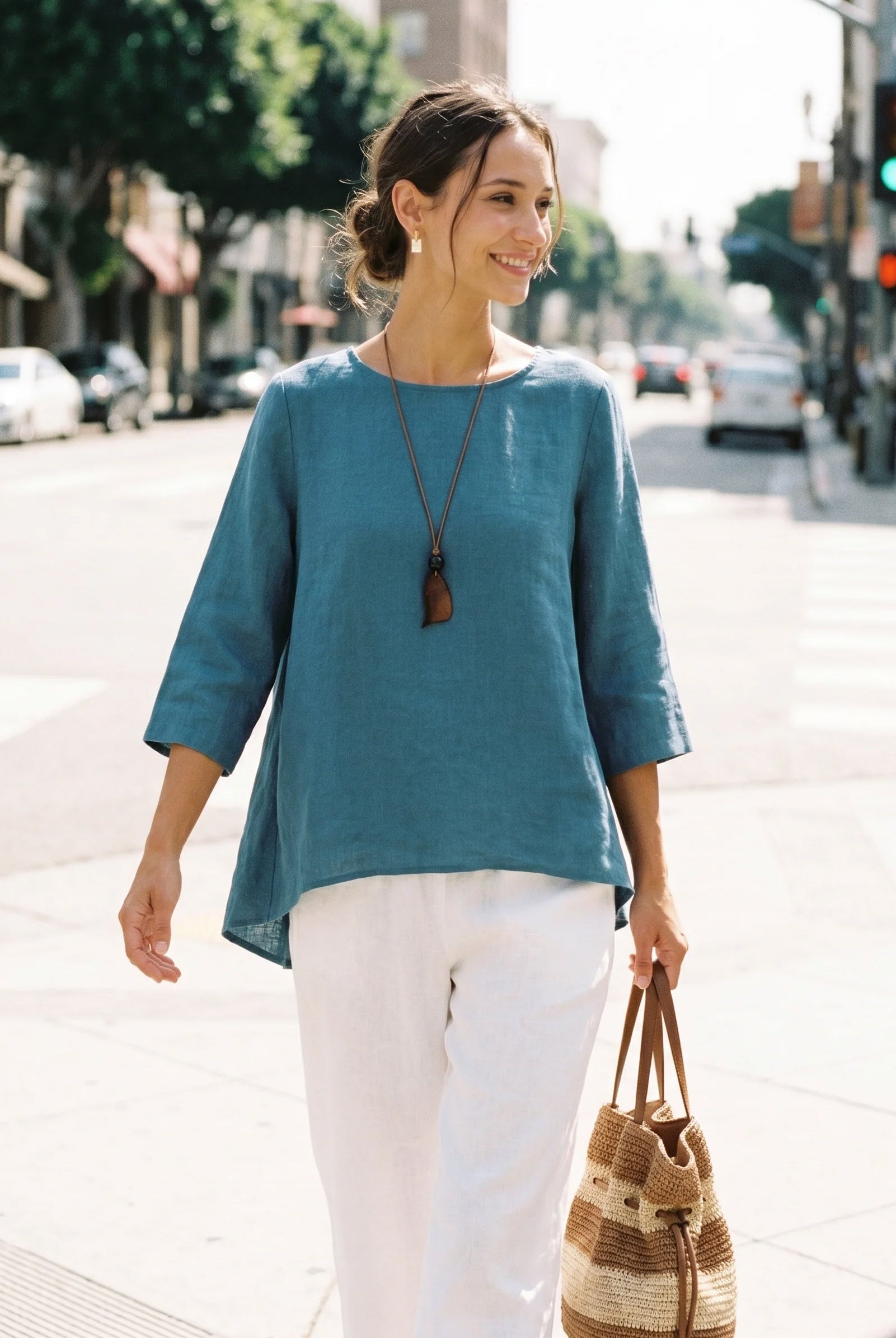
Side ties and a semi-elastic waist offer adjustment, while the cropped wide leg works with flats, sandals, or a light layer through warm transitional days.

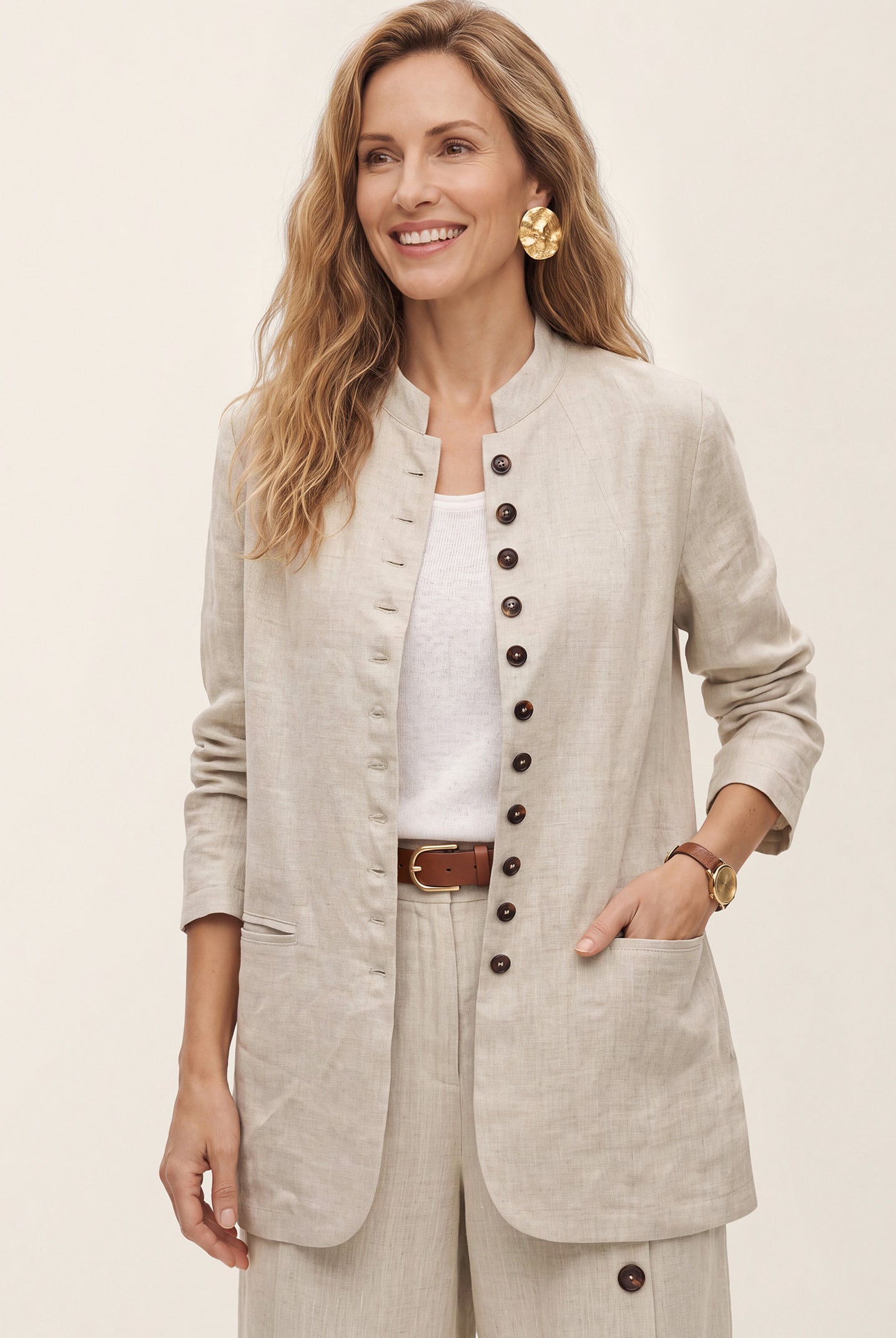
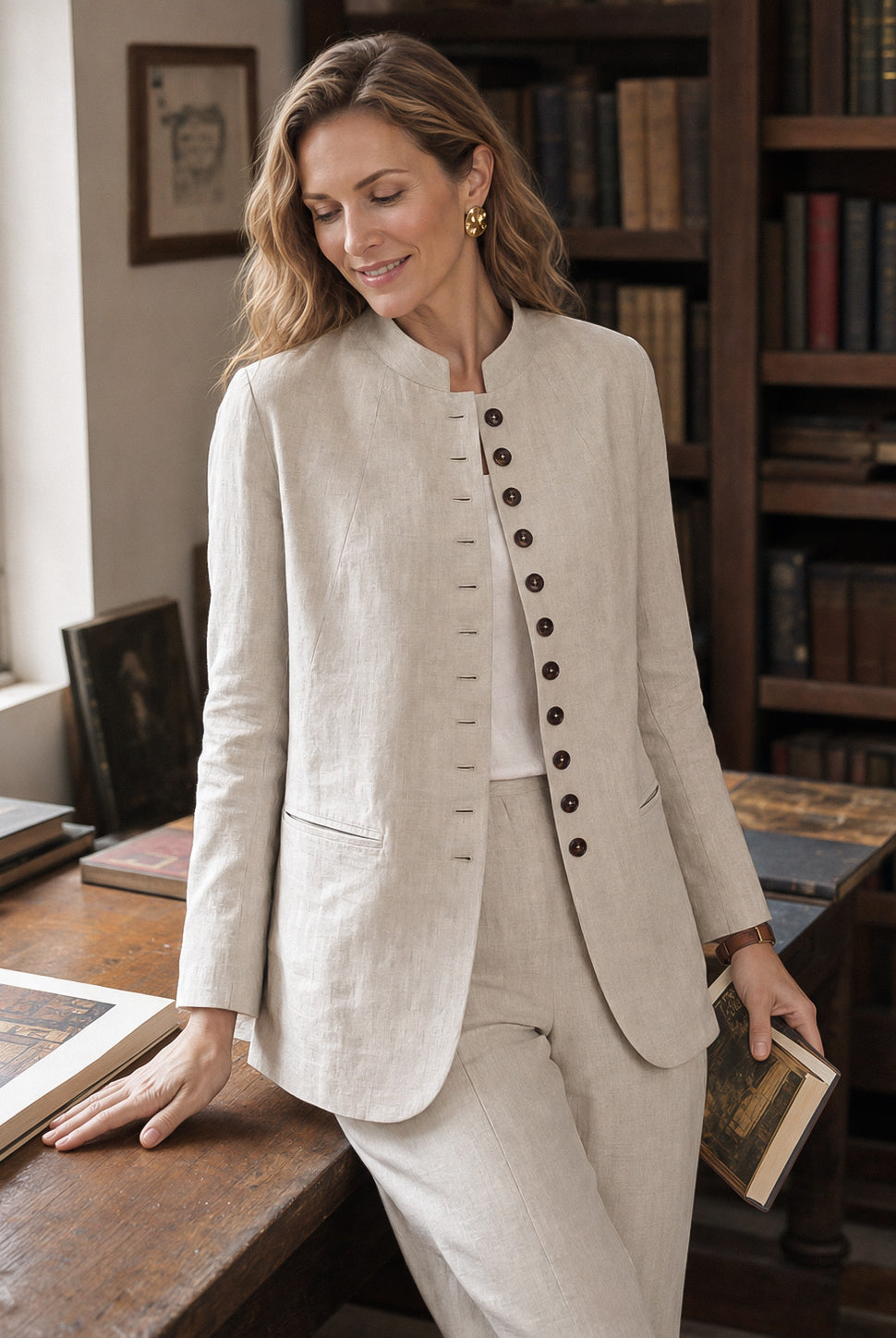
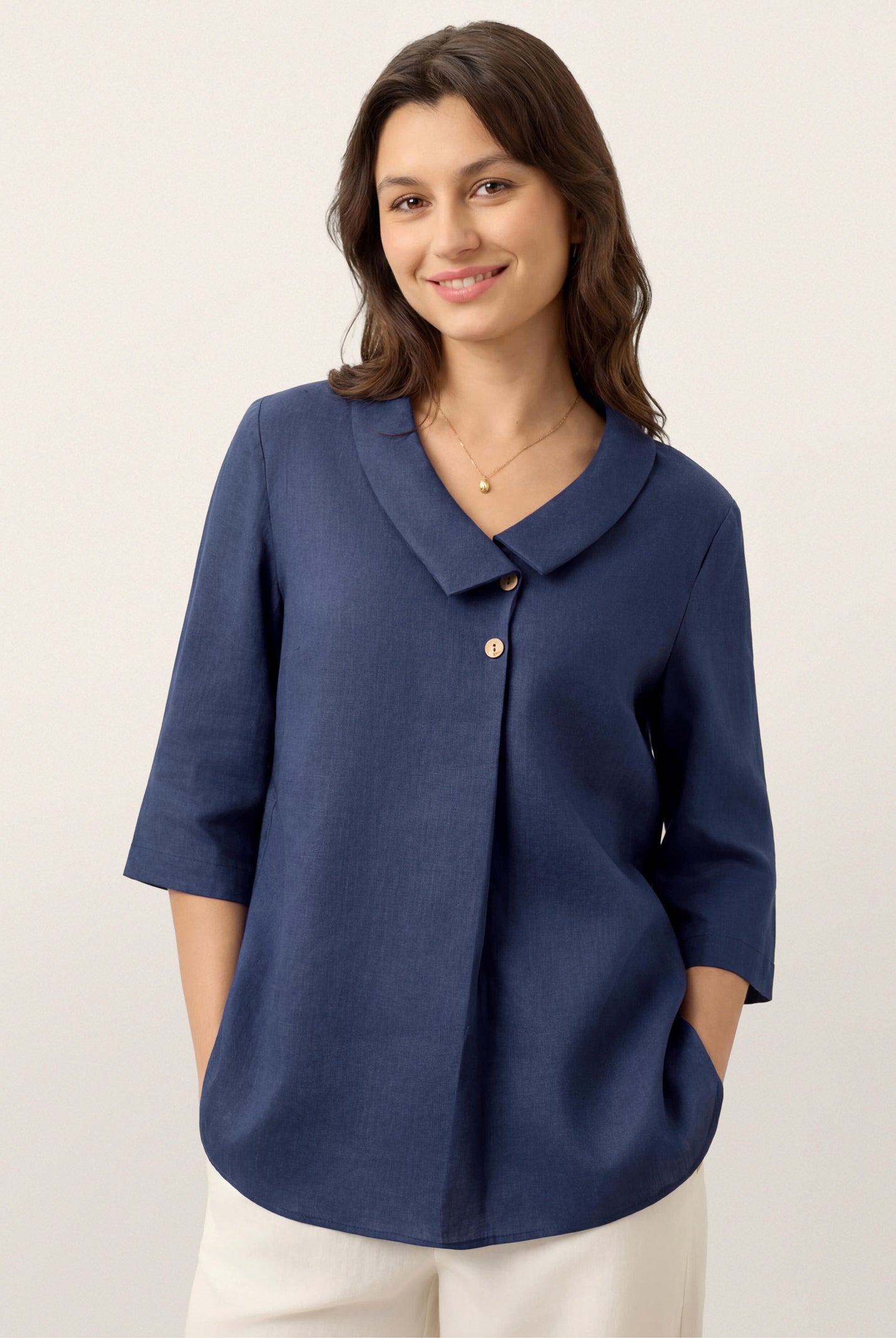
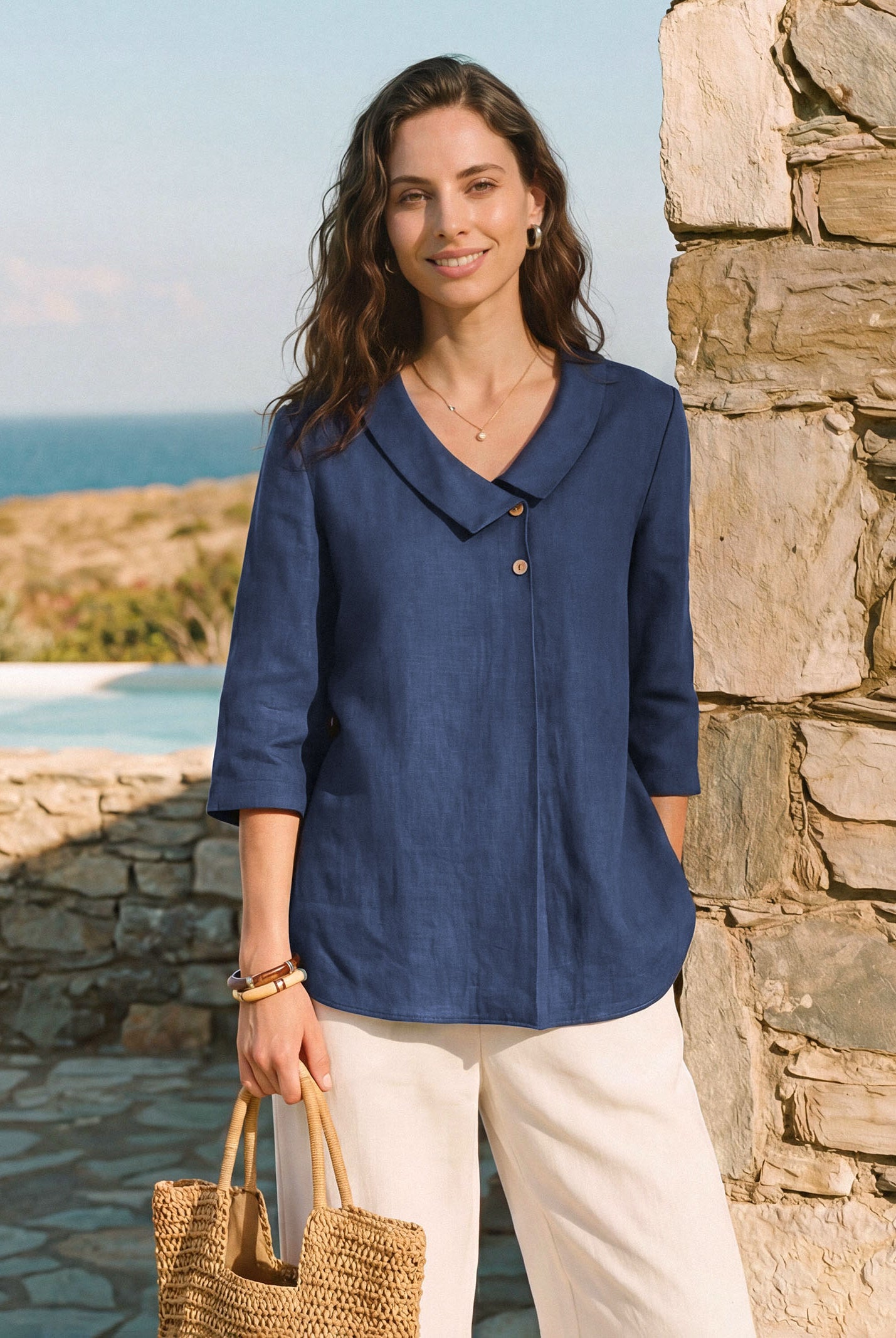
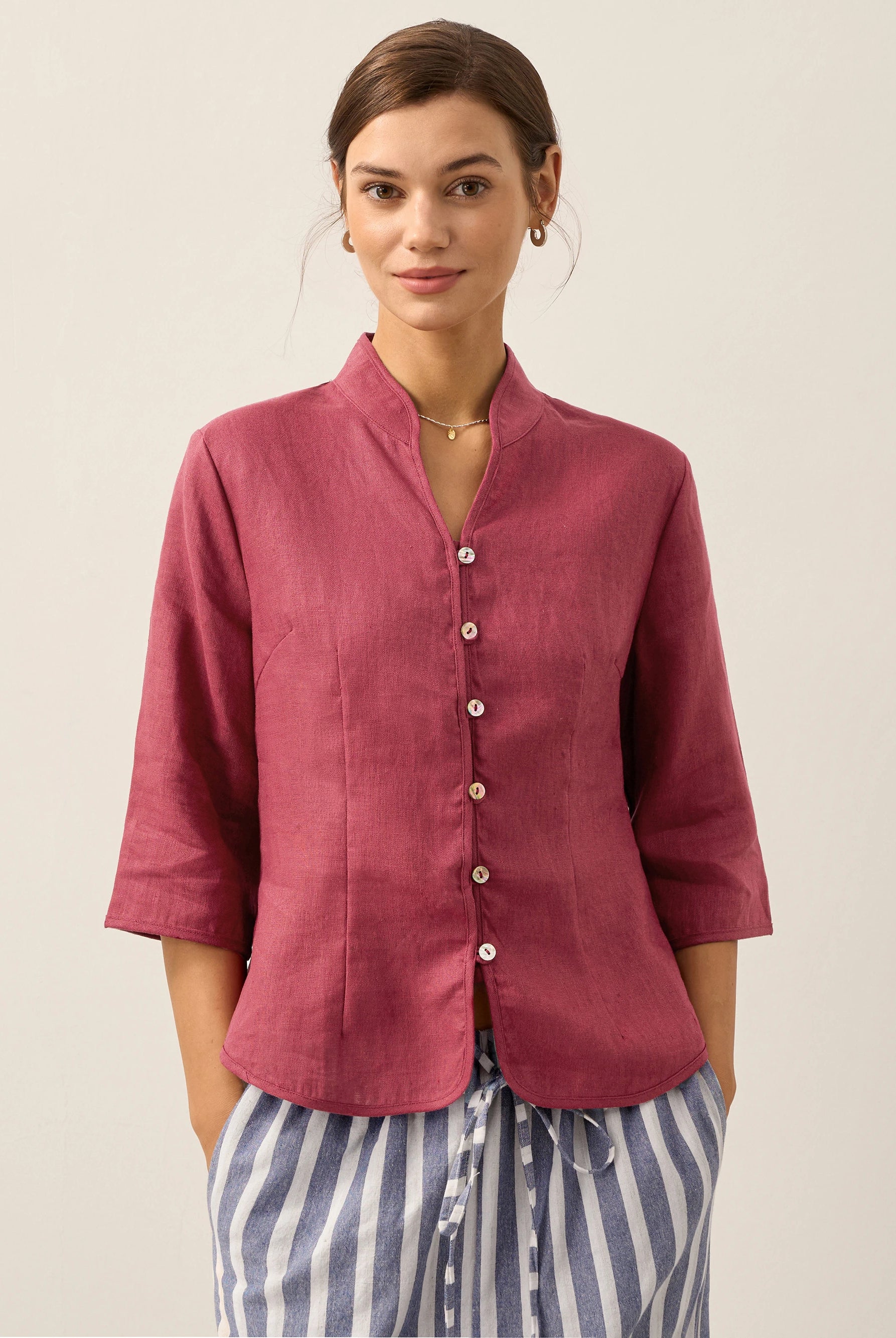
Light layer
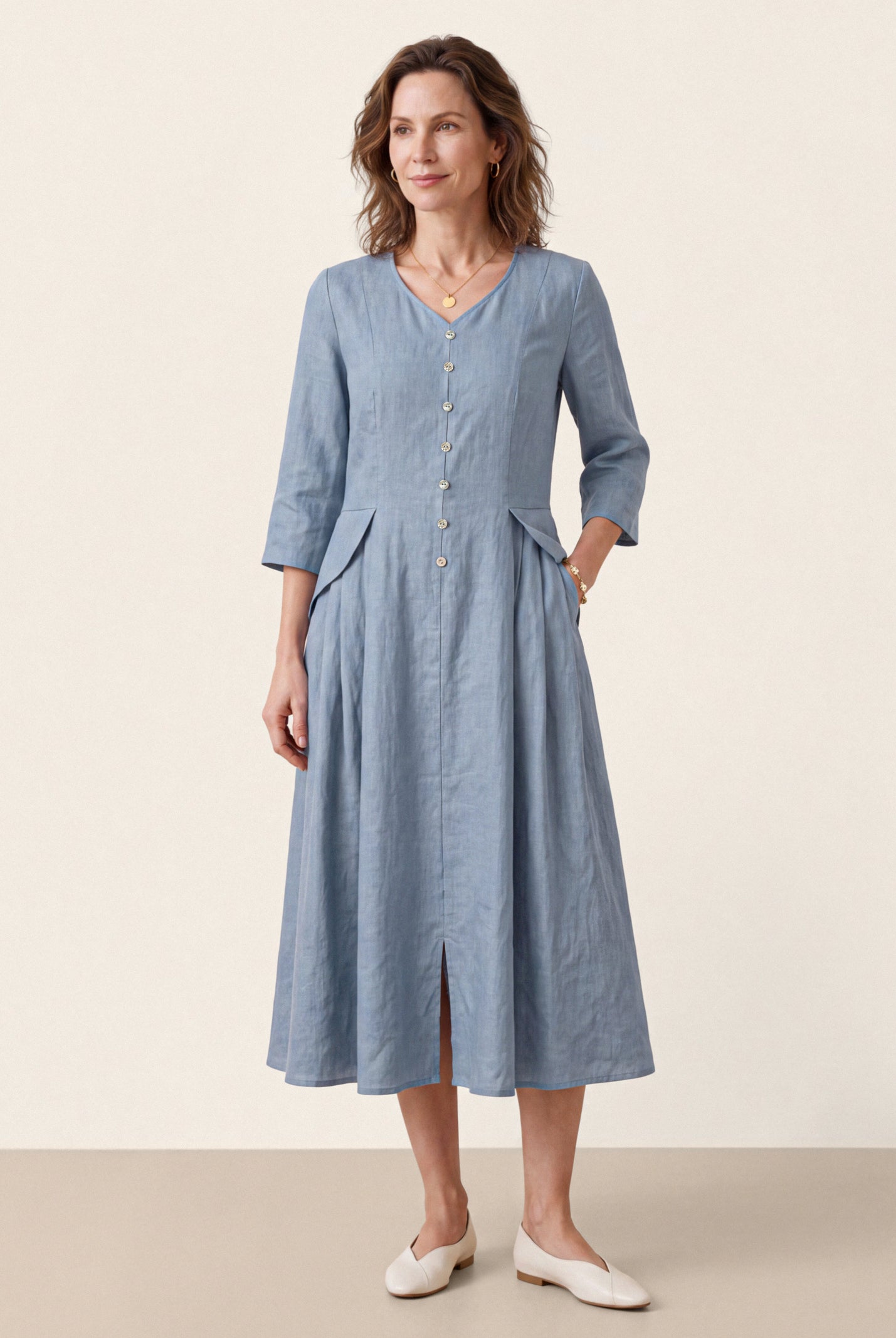
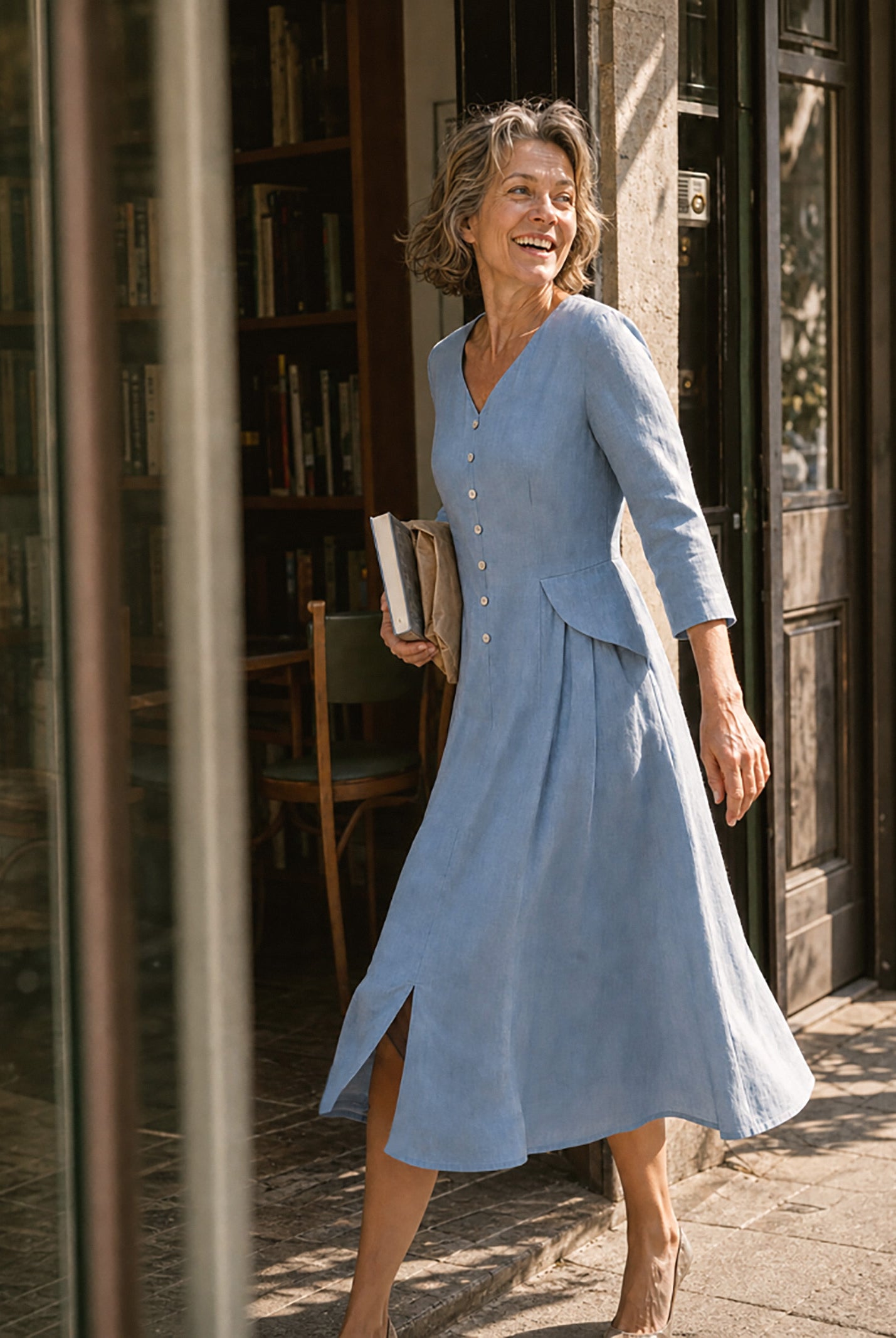
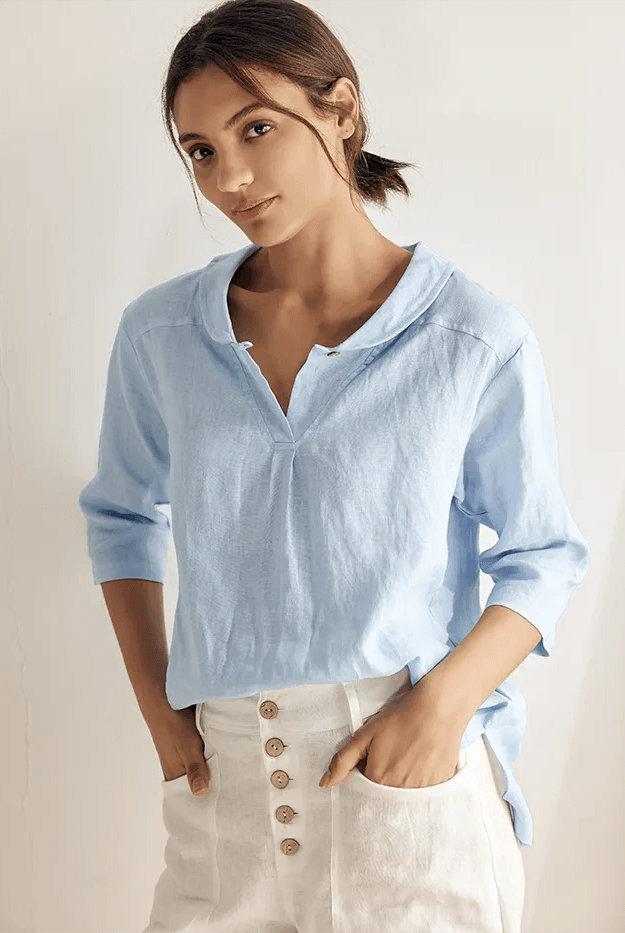
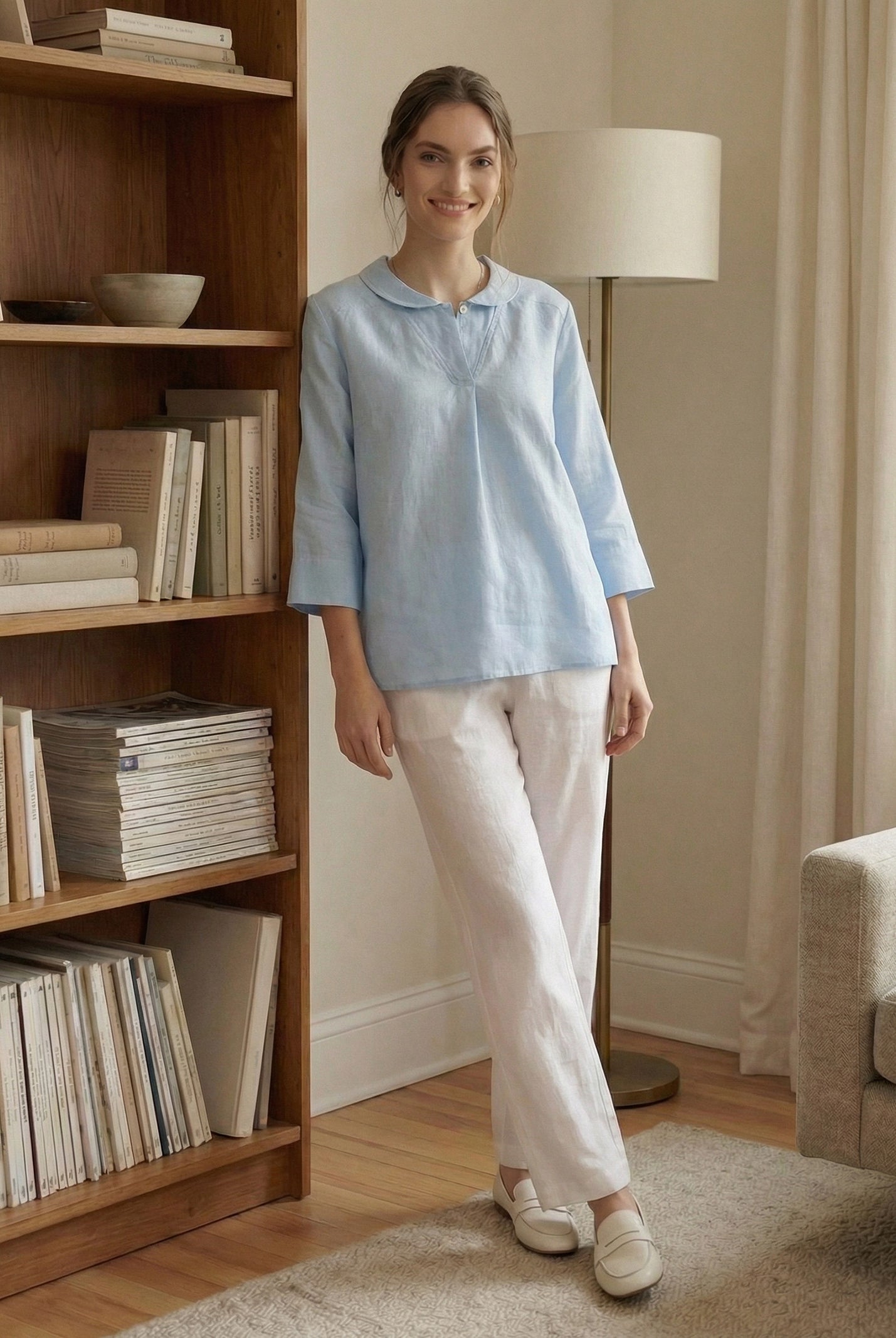
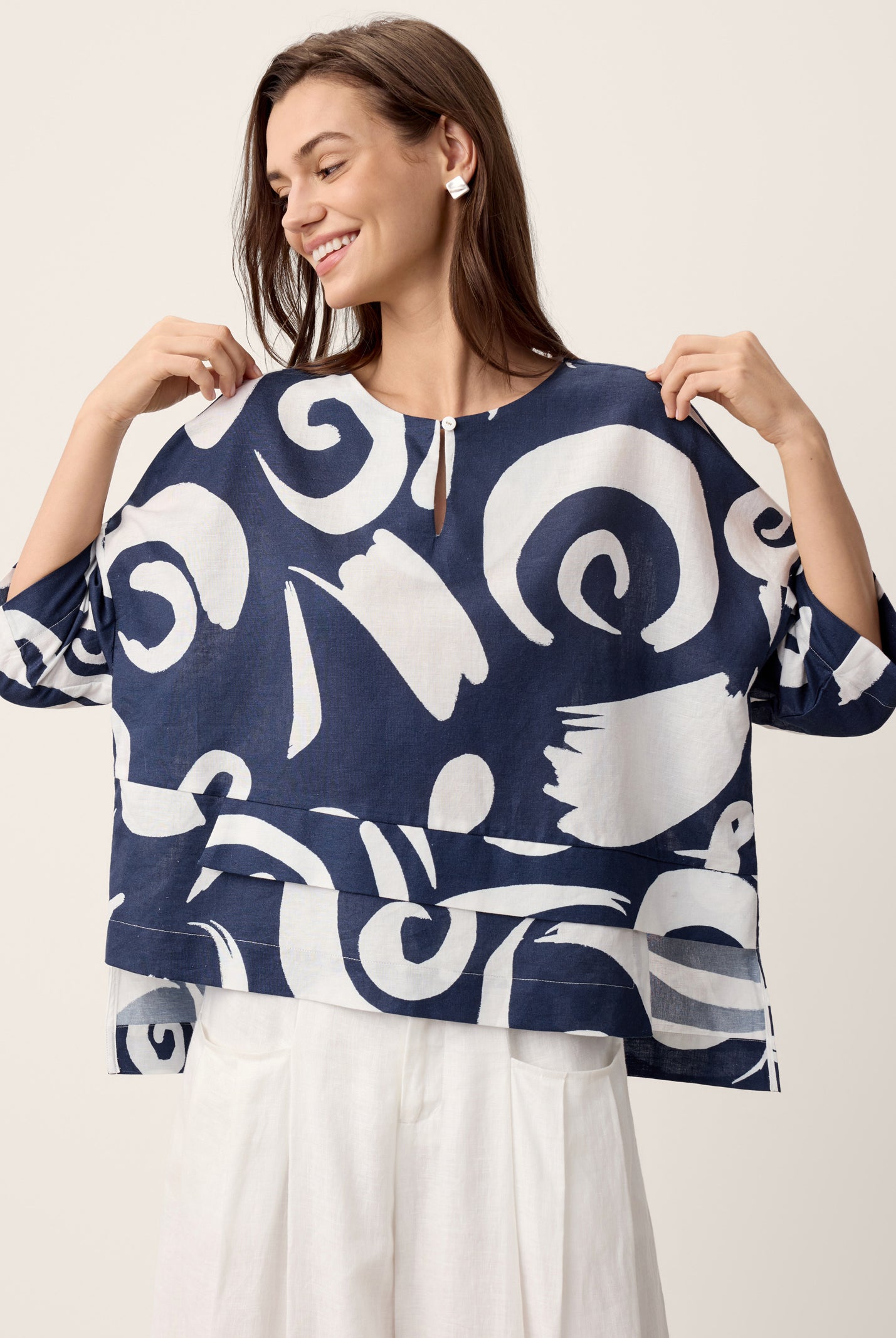
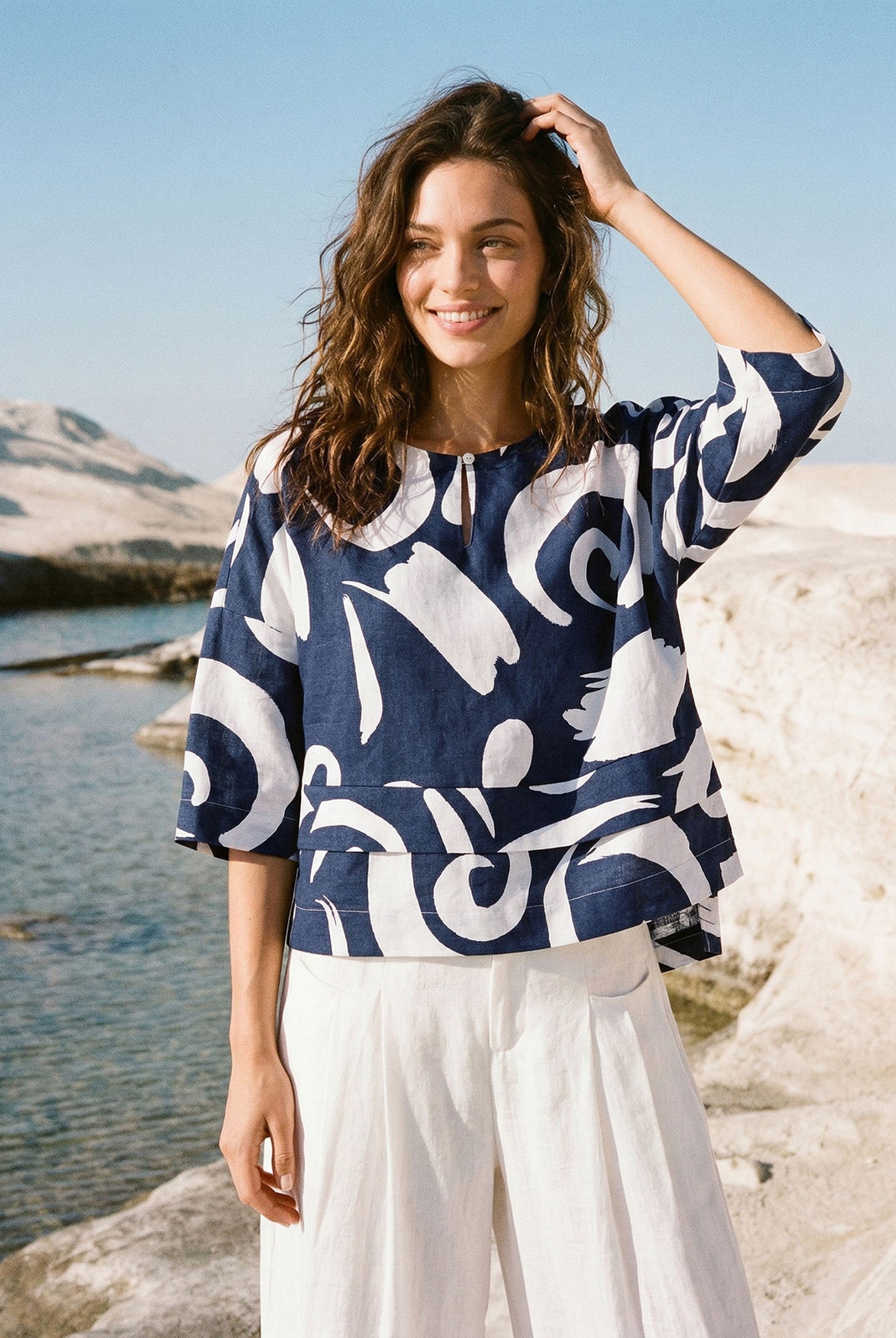
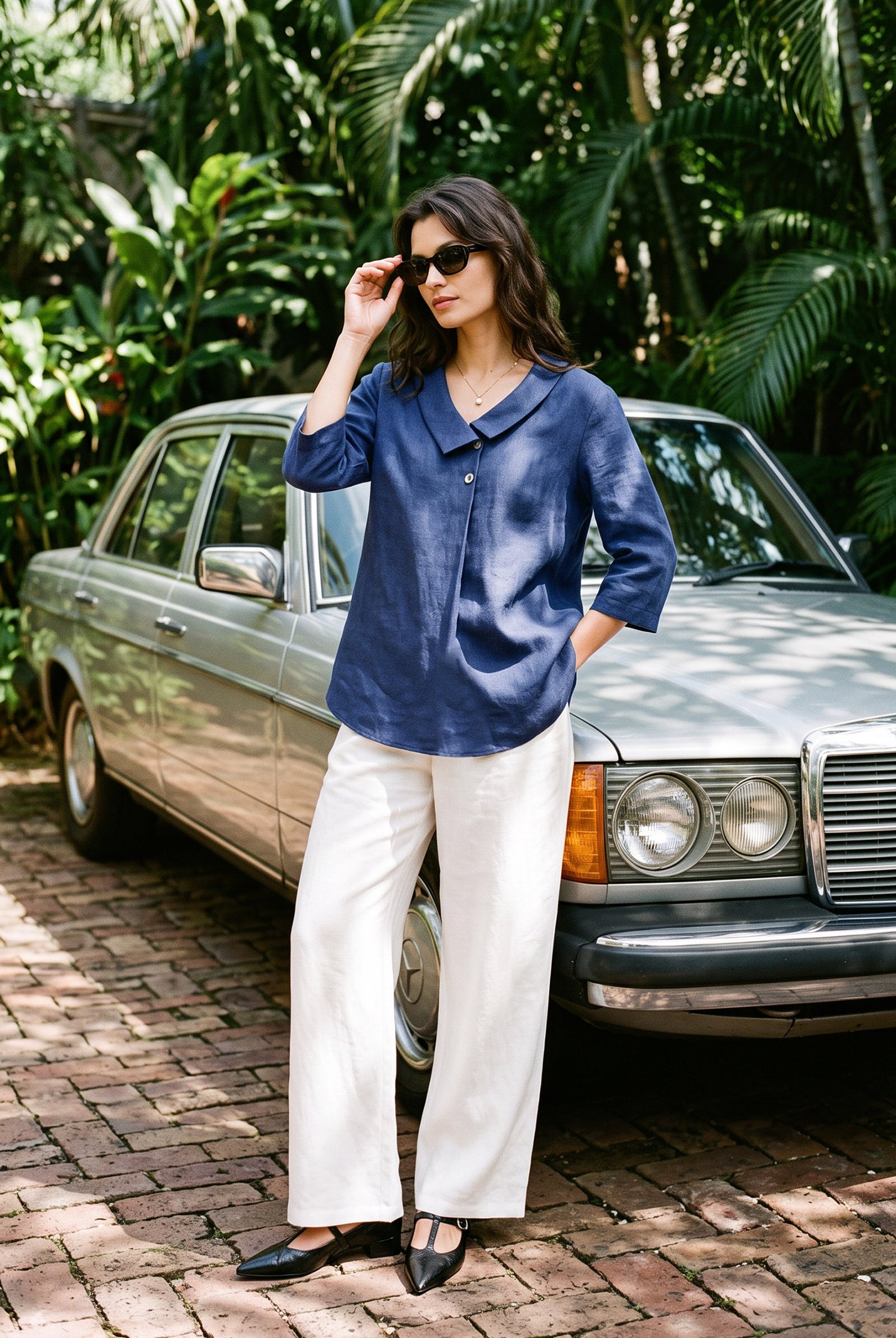
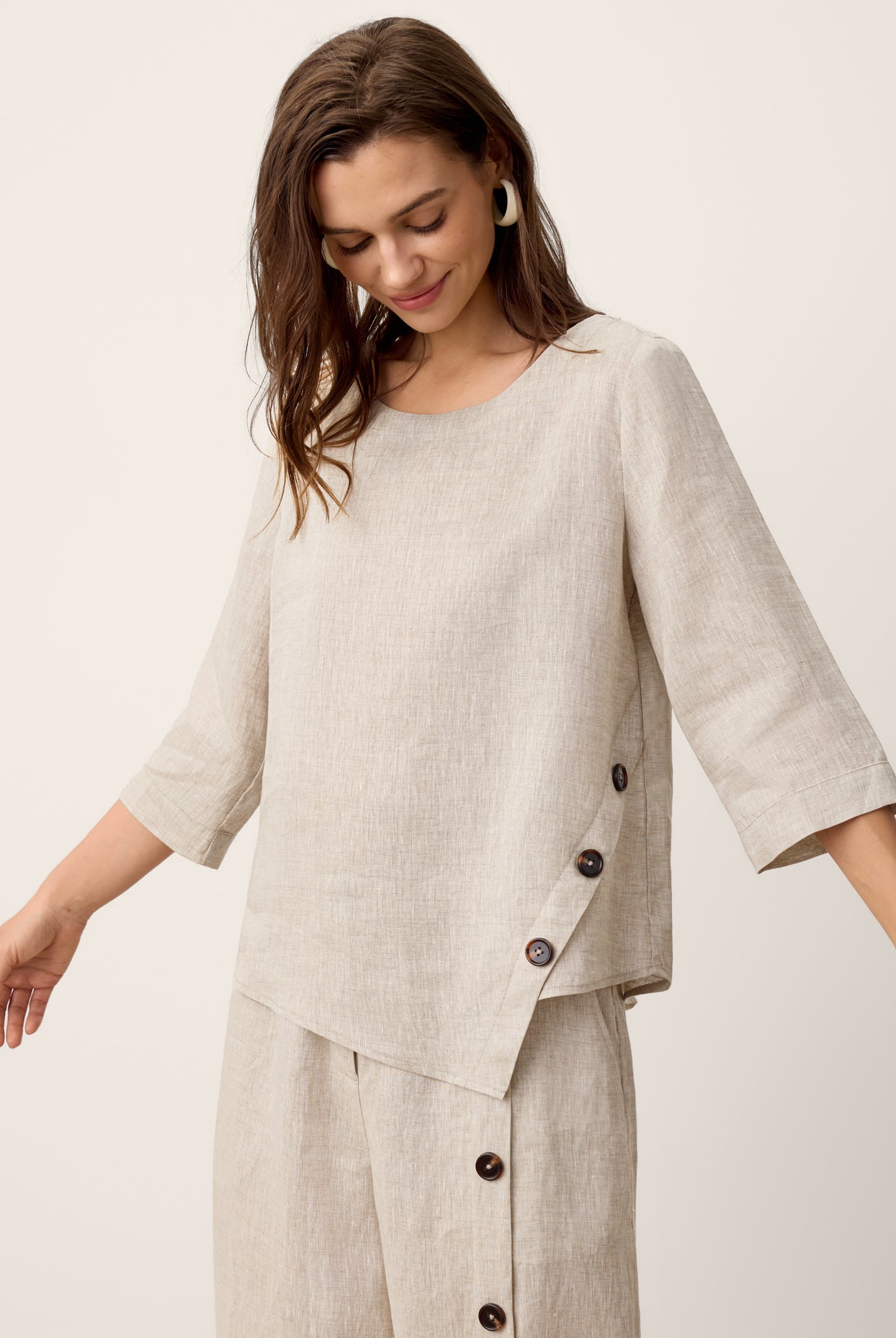
A substantial 190 g/m² linen, Mandarin collar, curved side slits, and front button make this a structured layer that can change the mood of simpler separates.

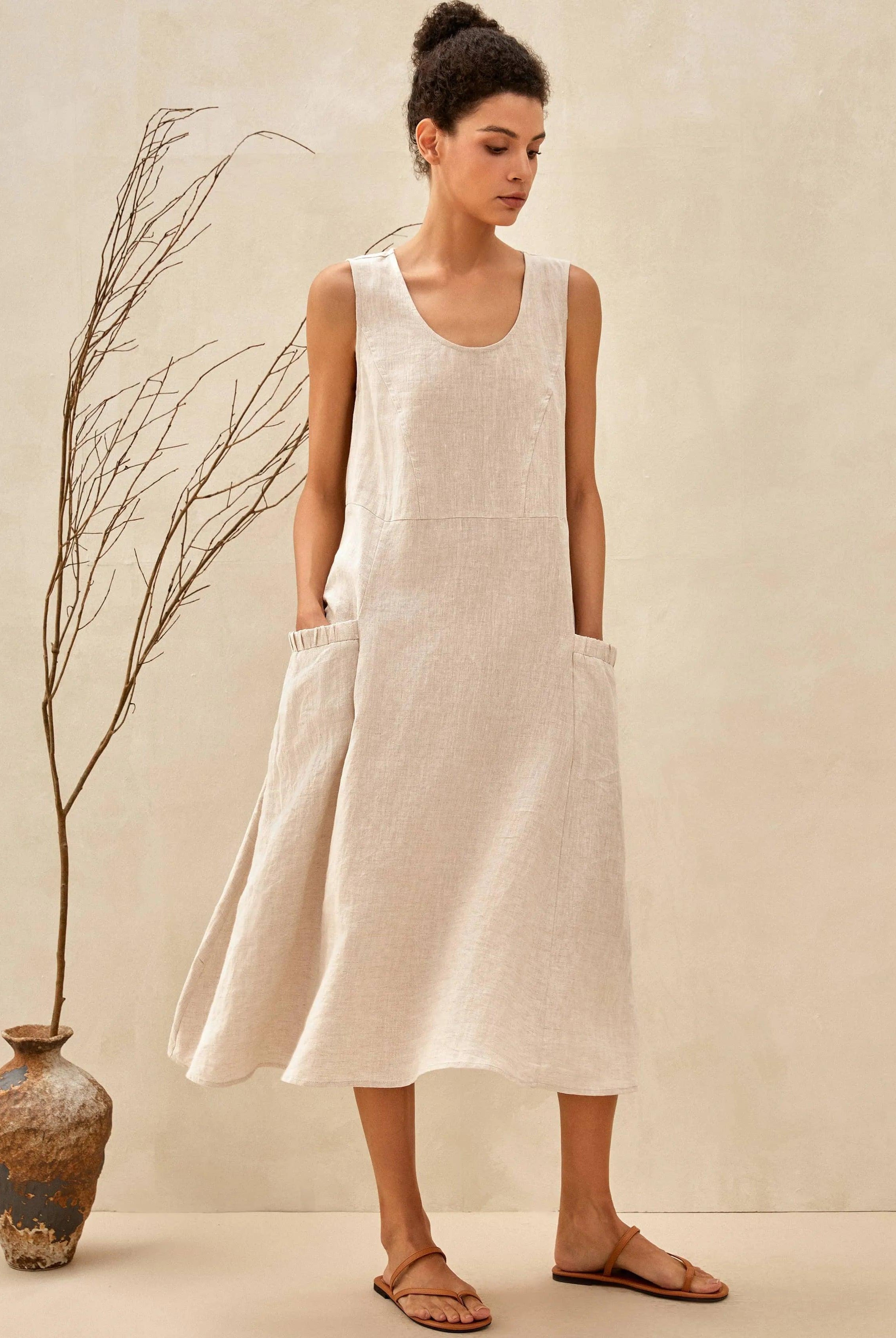
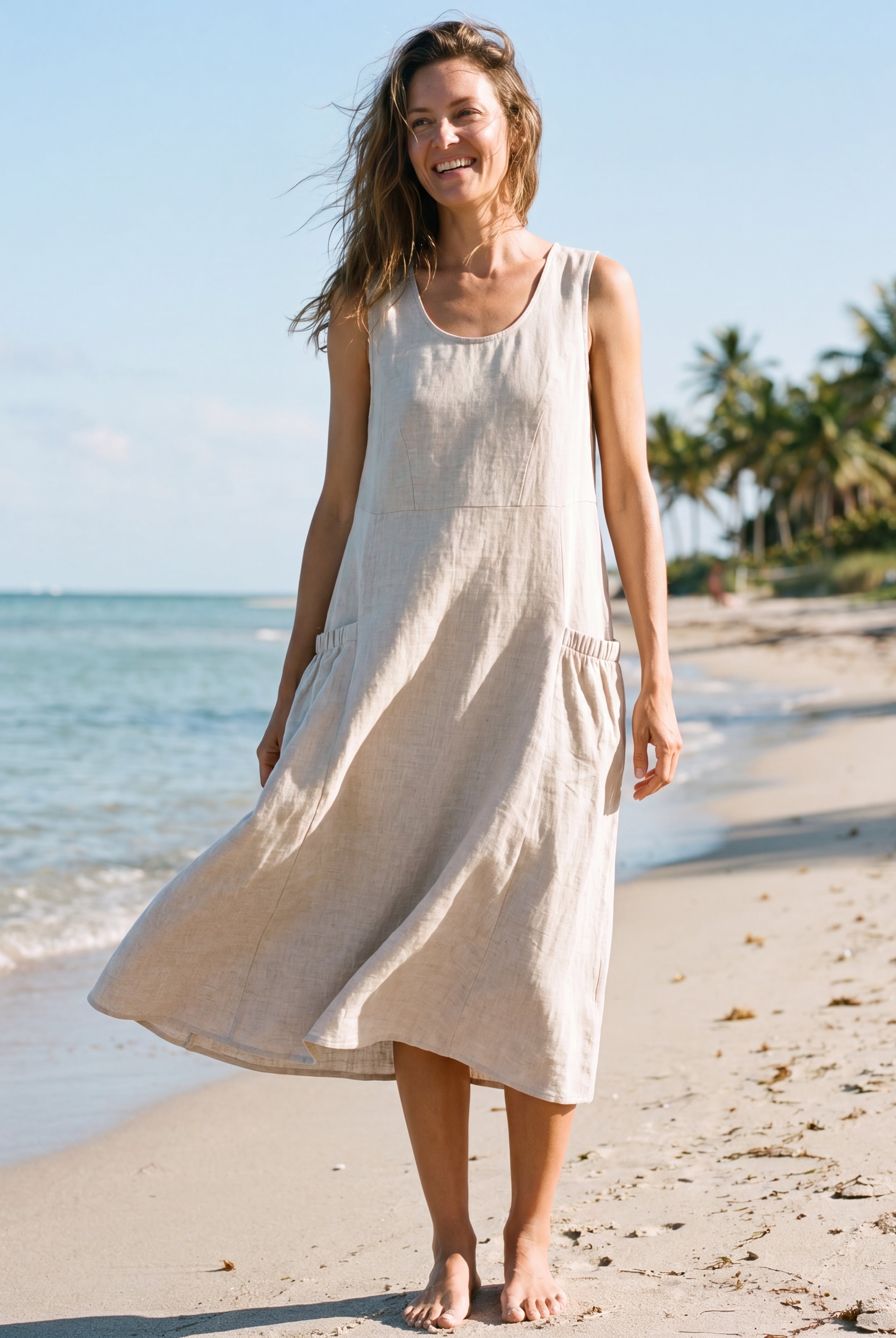
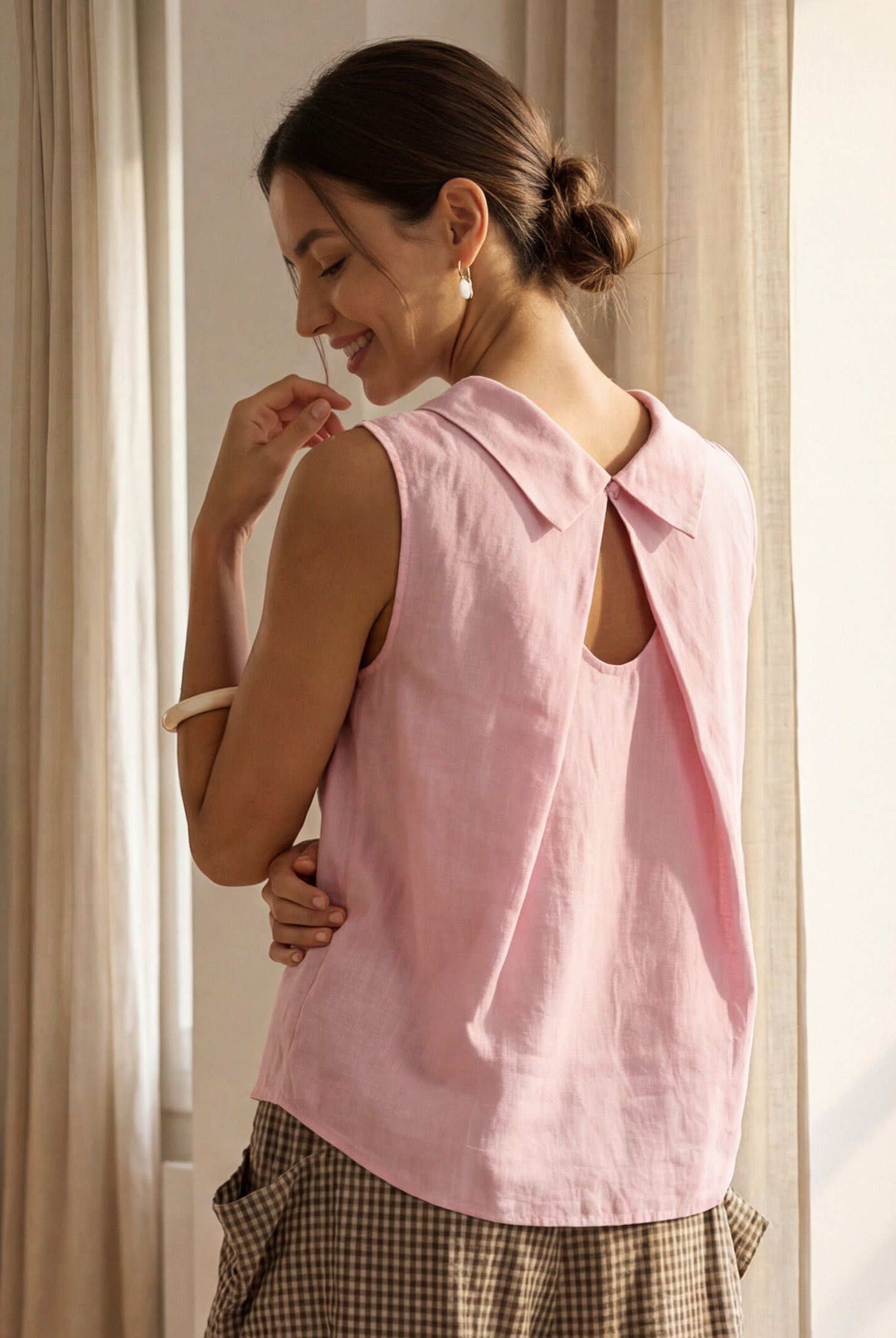
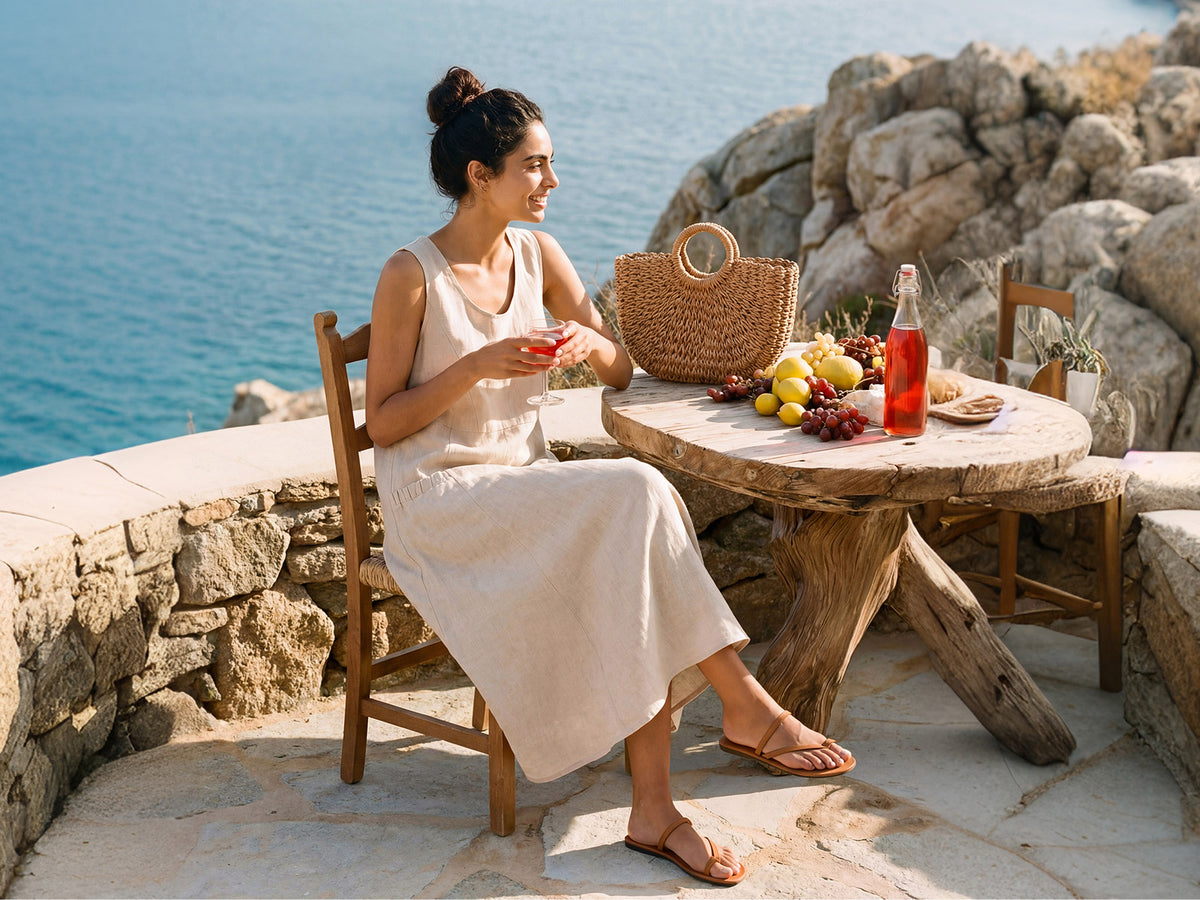
One-piece ease
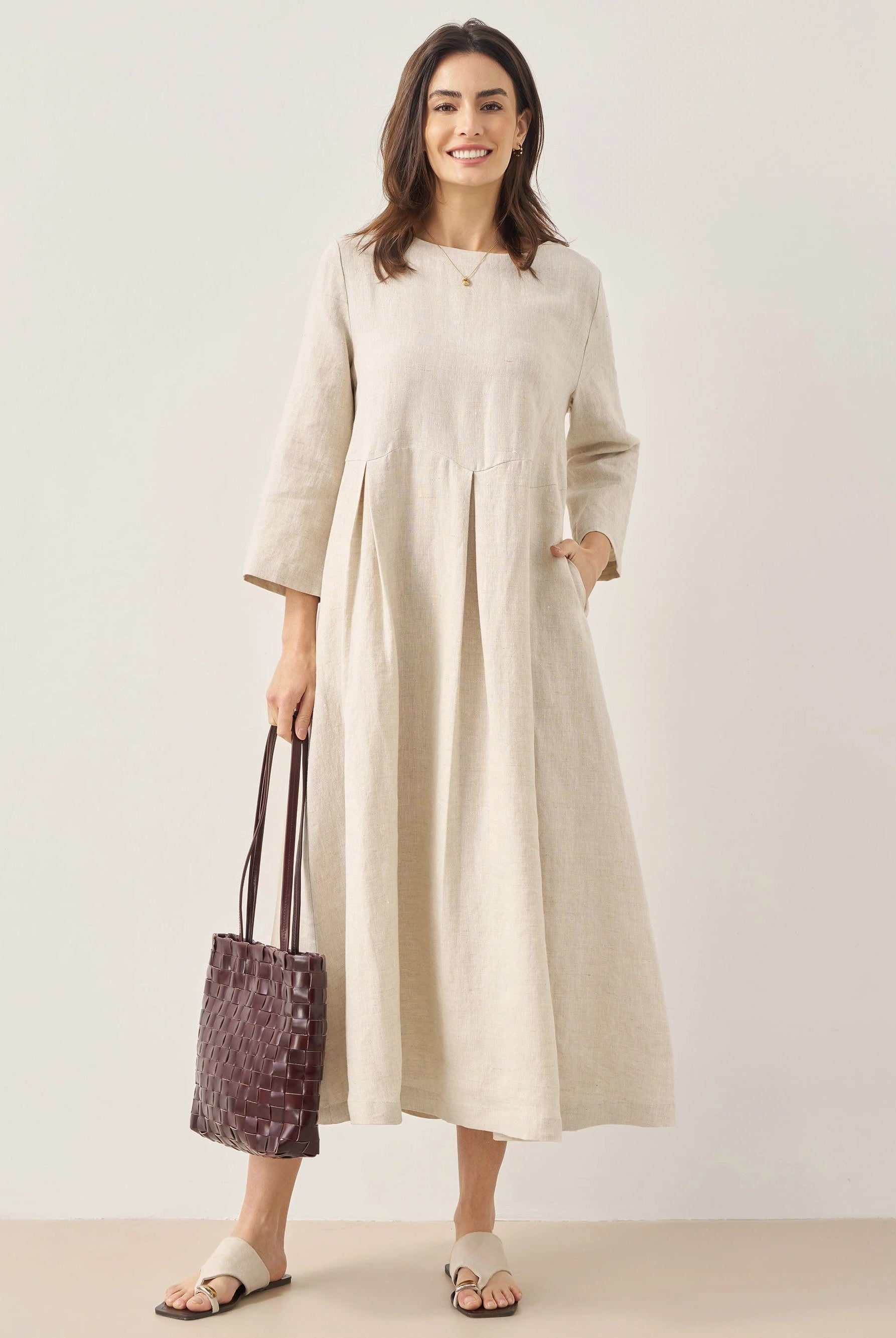
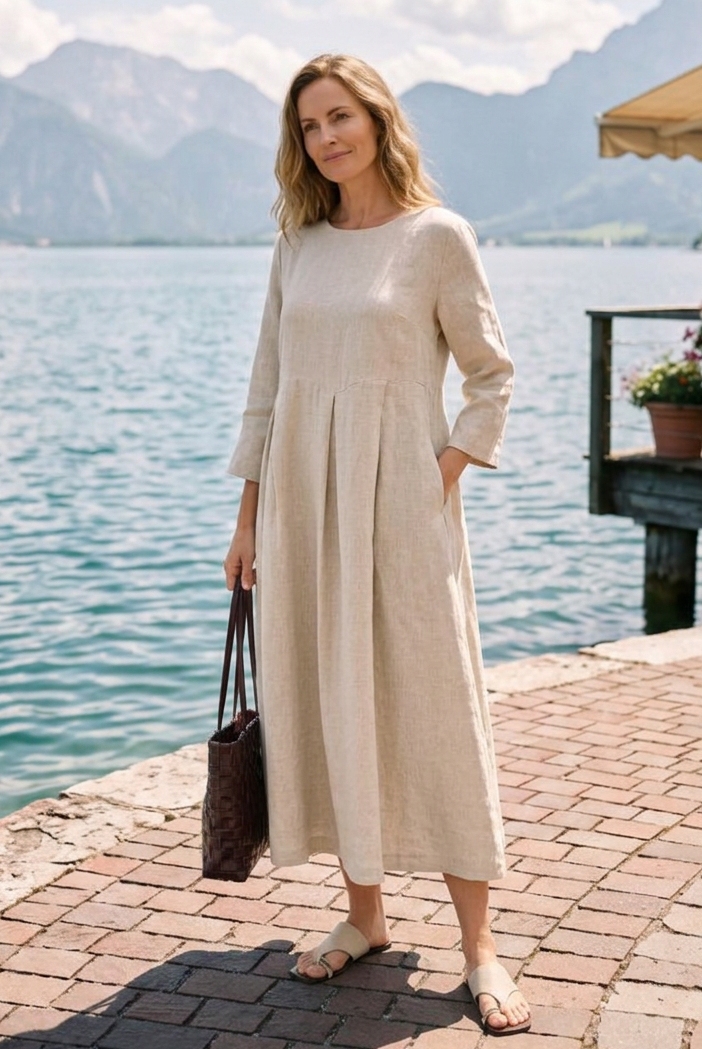
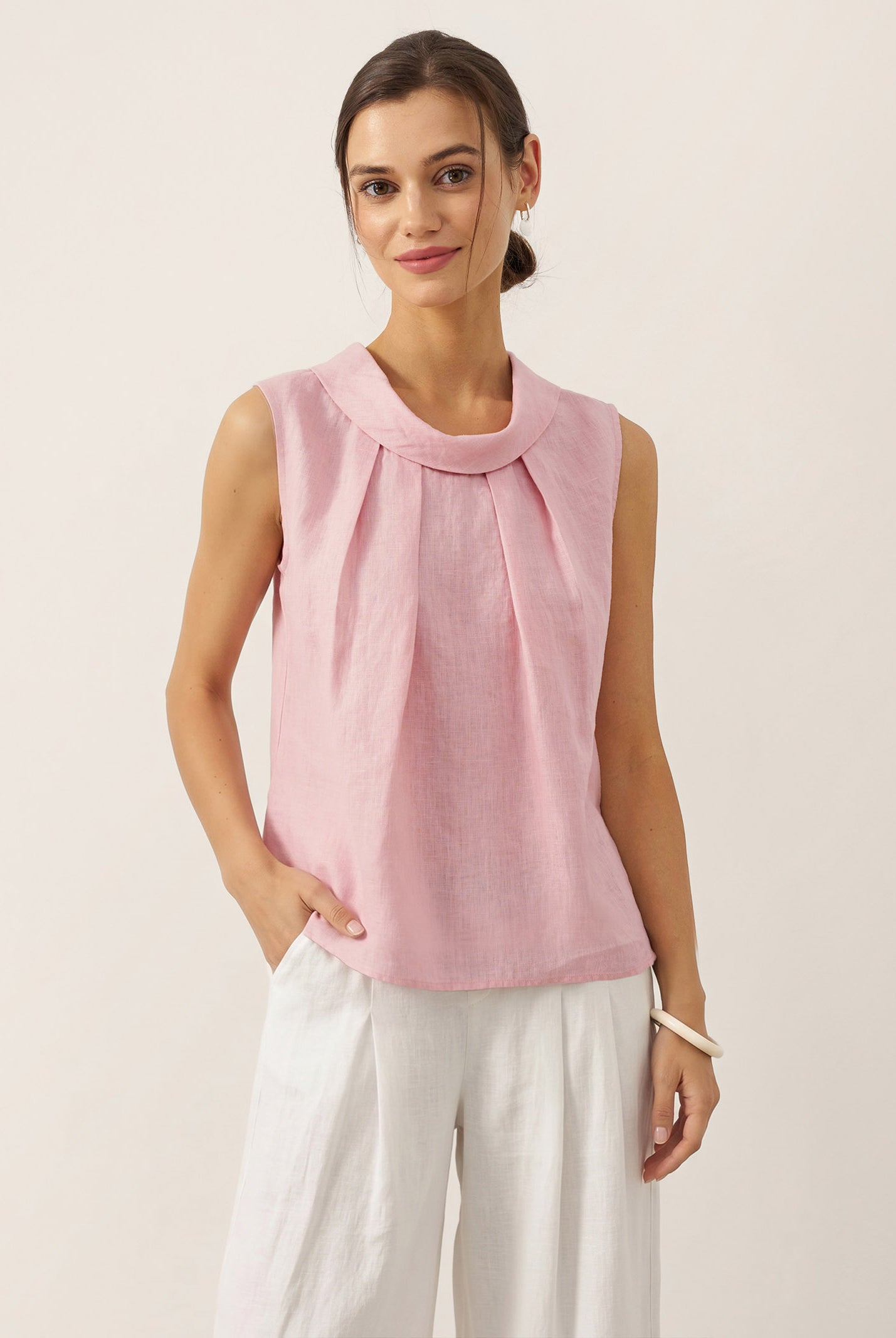
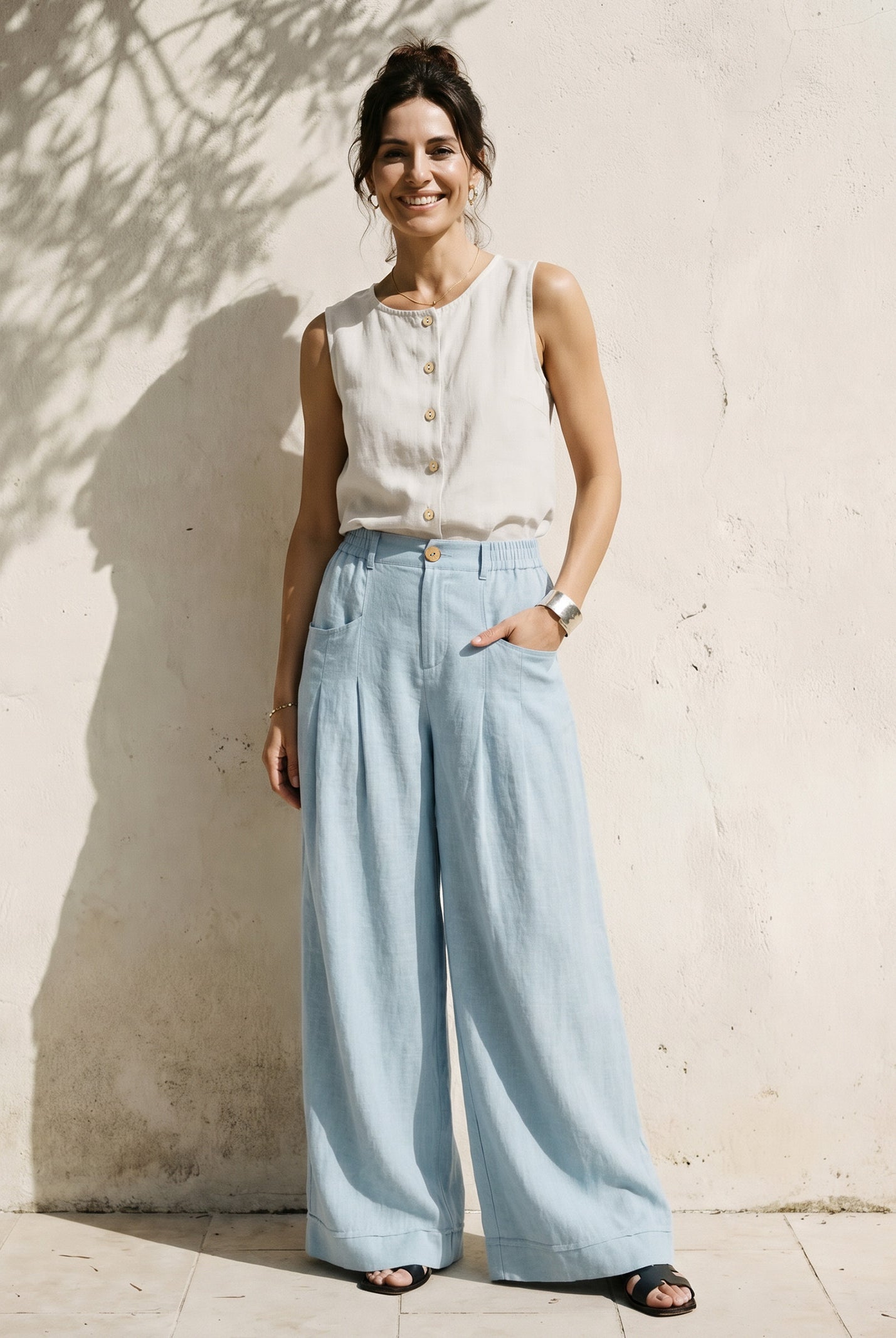
A relaxed sleeveless silhouette and patch pockets make this a low-decision summer option; a belt or jacket can give it another role.
Choose this when the fit still works and the issue is local: a loose button, open hem, small seam gap, or minor surface wear.
Choose this when the garment is sound but its length, proportion, or role no longer fits your wardrobe. A tailor may see options you do not.
Choose this when damage affects safety or function and repair is not practical. Consider textile collection, reuse, or recycling routes available locally.
No. Price alone does not prove physical durability or guarantee long use. Fit, construction, fabric suitability, care, and how often you want to wear the piece all matter.
No. Creasing is normal for linen and is not, by itself, structural damage. Watch instead for thinning at high-friction areas, loose seams, stressed closures, or small tears that can grow.
Try it with items you already own, move naturally while assessing the fit, read the care label before buying, and choose a role your wardrobe genuinely needs.
Not automatically. Consider the activity, weather, and any visible soil, then follow the garment’s care label. Airing between suitable wears may reduce unnecessary washing.
External findings describe sector-level research and policy goals. This article does not assign a lifecycle footprint, lifespan, or repairability score to LINTICO products. Product descriptions above reflect live official pages checked August 6, 2026.
Explore more current styles, then check fabric, fit, care, and styling possibilities before deciding.
Shop Best Sellers