




















LINTICO Journal · Linen Care Tips
Wash linen on a cold gentle cycle, avoid crowding the machine, remove it promptly, reshape it while damp, and air-dry or tumble briefly on low. For a smoother finish, steam the garment or iron it while it still holds a little moisture. Always follow the care label on the individual piece first.
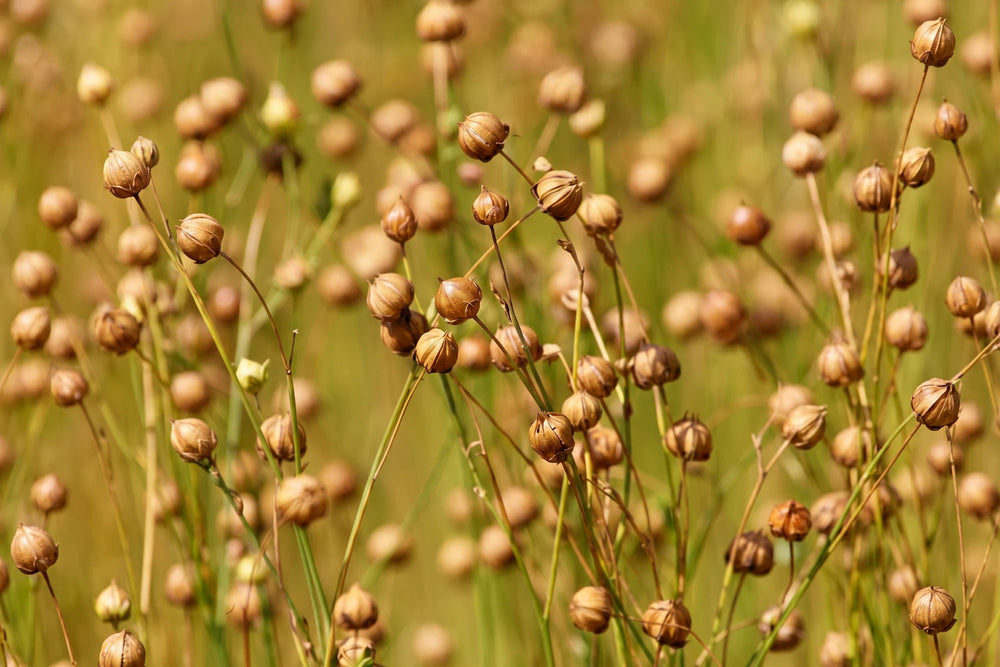
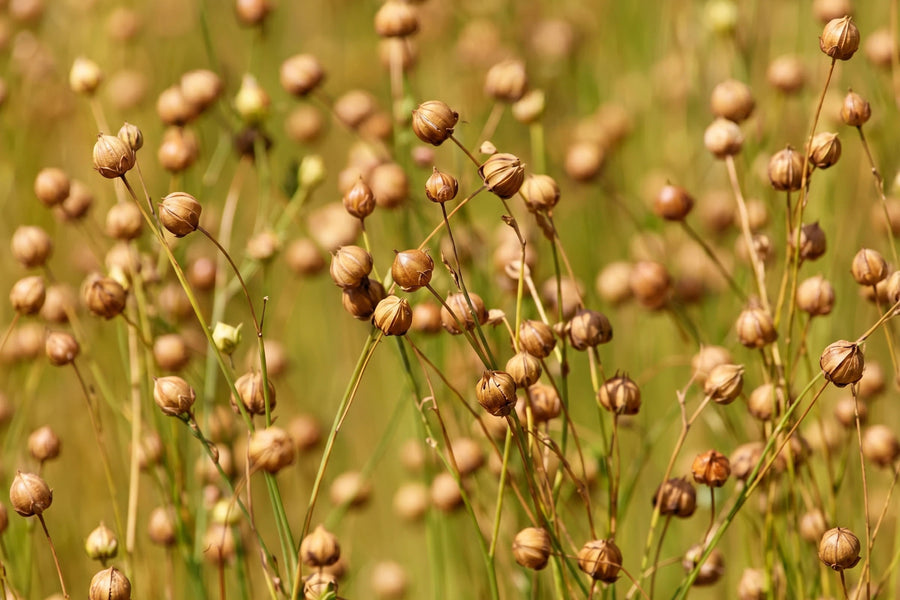
Linen wrinkles because flax fibers have relatively little natural elasticity. When the fabric bends, sits, or compresses, it does not spring back in the same way a stretch fabric might. That natural texture is part of linen's character, but deep laundry creases and crushed travel folds are still preventable.
This guide focuses on practical wrinkle control rather than promising an impossible permanently pressed finish. It follows the care direction used across LINTICO's Linen Care Guide: cool water, gentle handling, low heat, and prompt removal.
Choose the Finish You Actually Want
Before reaching for an iron, decide how polished the garment needs to look. A relaxed shirt for the weekend does not need the same finish as trousers for work or a dress for an event.
Shape and air-dry
Best for easy shirts, loose dresses, and casual layers when a soft lived-in surface feels appropriate.
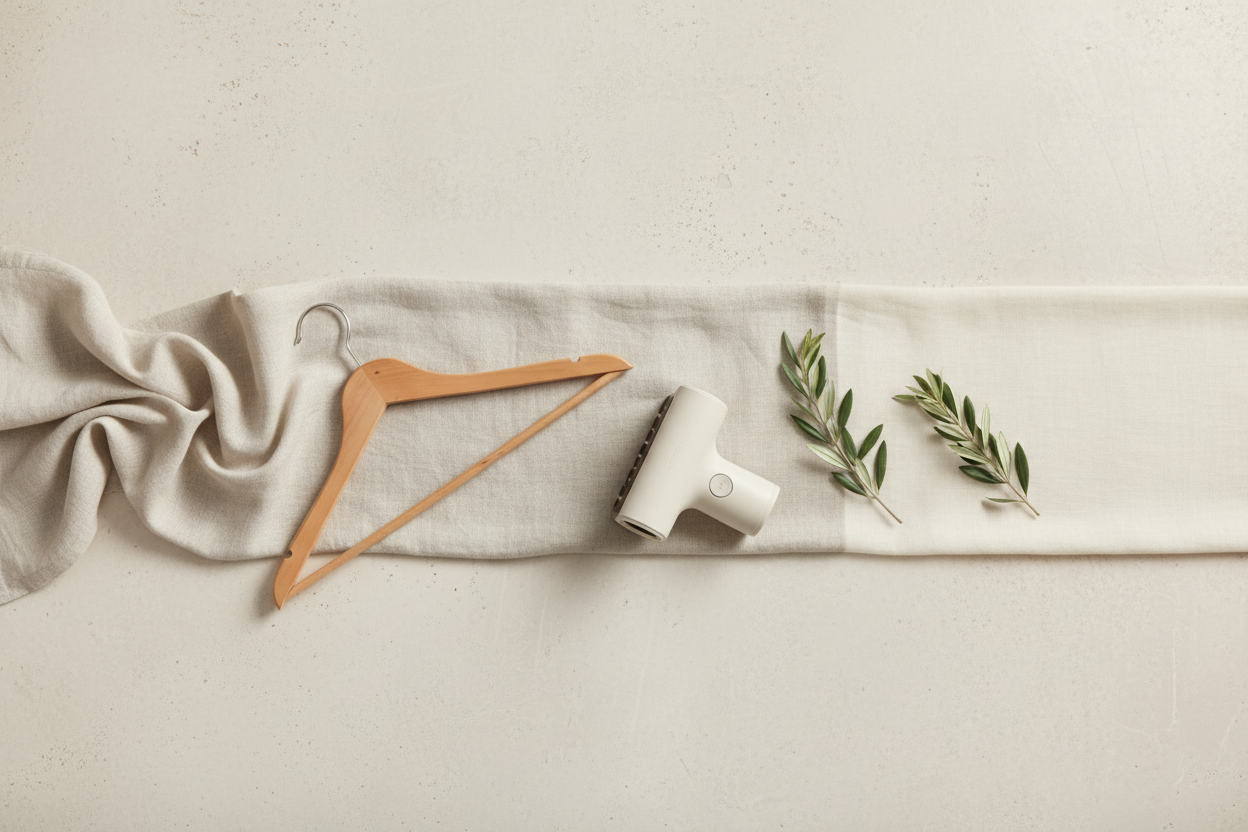
Use a steamer
Best for dresses, tops, and travel pieces that need quick smoothing without sharp creases.
Iron while damp
Best for collars, plackets, pockets, trouser fronts, and hems that benefit from more structure.
How to Keep Linen from Wrinkling: The Full Routine
Read the garment care label
The label is more specific than any general linen guide. Linings, trims, dyes, embroidery, garment washing, and construction can change the safest method. If the label calls for hand washing, air drying, or professional cleaning, follow it.
Wash cool and keep the load light
Use cold or lukewarm water, a gentle cycle, and a mild detergent. Wash similar colors together and avoid packing the drum tightly. A crowded load creates more compression and makes creases harder to release.
Skip harsh treatment
Do not use chlorine bleach on linen. Avoid twisting, wringing, or aggressive scrubbing. Fabric softener is unnecessary for most linen garments because linen naturally becomes softer with wear and careful washing.
Remove the garment promptly
Do not let clean linen sit in a compact wet pile or remain in the washer for hours. Lift it out as soon as the cycle finishes, give it a gentle shake, smooth the seams, and open collars, cuffs, pockets, and plackets.
Reshape before drying
Lay the piece flat briefly or place it on a suitable hanger, then align the shoulders, side seams, hem, and sleeves. Smoothing the fabric with your palms while it is damp prevents many sharp wrinkles from setting.
Use low heat—or air-dry
If the label permits tumble drying, choose low heat and remove the garment while it is still slightly damp. High heat can set creases and may contribute to shrinkage. For air drying, allow space around the garment and avoid clips that could leave deep marks in visible areas.
Finish with steam or a warm iron
Steam is efficient for fluid dresses, tops, and layered shapes. For a crisper result, iron the garment inside out while slightly damp, using the setting specified on the label. Work section by section instead of pressing random folds into the fabric.


Steaming vs Ironing Linen
| Method | Best for | Advantages | Watch for |
|---|---|---|---|
| Steaming | Dresses, tops, sleeves, travel touch-ups | Fast, gentle-looking finish, easy around gathered shapes | Keep the steamer moving and allow the garment to dry before wearing |
| Ironing | Collars, plackets, pockets, hems, trouser fronts | More control and a crisper result | Follow the care label; iron dark colors inside out and avoid pressing unwanted folds |
| Hand smoothing | Casual linen and everyday texture | No equipment, preserves a relaxed finish | Works best while the garment is damp and before creases set |
What to Do—and What to Avoid
Do
- Wash similar lightweight colors together.
- Leave space in the washing machine.
- Shake out and reshape linen immediately.
- Smooth seams and pockets while damp.
- Store garments clean and fully dry.
Avoid
- Leaving damp linen compressed in the washer.
- Using high heat unless the care label allows it.
- Twisting or wringing the fabric.
- Pressing a garment without checking seams and folds.
- Overstuffing a suitcase or wardrobe rail.
How to Prevent Linen Wrinkles While Wearing It
Some wear creases are unavoidable, especially at elbows, hips, and behind the knees. The goal is to reduce crushing rather than freeze the fabric in place.
- Choose the right fit. Linen that pulls tightly across the body is more likely to form sharp stress creases.
- Sit with the garment arranged. Smooth a dress or long shirt beneath you instead of folding it into a compact layer.
- Hang it during breaks. A few minutes on a hanger can soften fresh wrinkles before they deepen.
- Give layers room. Tight outerwear and overfilled bags can compress linen for long periods.
- Accept movement. Soft ripples are normal; focus attention on collars, plackets, pocket openings, and hems when you want a polished impression.
How to Pack Linen with Fewer Creases
Start with clean, completely dry garments. Button shirts, close zippers, flatten collars, and fold along natural seams. Place heavier items at the bottom of the suitcase and avoid trapping linen beneath shoes or overfilled packing cubes.
Rolling works well for simple, unstructured pieces. Folding may be better for tailored fronts, collars, or pleated details. On arrival, unpack immediately, hang each piece, and steam only where needed. A relaxed linen garment often releases minor travel folds after hanging in a humid bathroom, but a steamer gives a faster and more controlled result.
Frequently Asked Questions
Can linen ever be completely wrinkle-free?
No. Pure linen naturally creases because flax fibers have low elasticity. Care and finishing can reduce deep wrinkles, but a completely wrinkle-free result would not reflect the normal behavior of the fabric.
Should you steam or iron linen?
Use a steamer for quick smoothing and fluid shapes. Use an iron when you want more definition at collars, plackets, pockets, trouser fronts, or hems. Follow the garment label for temperature and method.
Is it better to air-dry or tumble-dry linen?
Both can work when the label permits. Air drying is gentle and gives you time to reshape the garment. A short low-heat tumble can soften the fabric, but remove the garment promptly—ideally while slightly damp—to limit set-in creases.
Why does my linen wrinkle more after washing?
The most common reasons are an overloaded washer, leaving the garment wet in the drum, high heat, or allowing it to dry in a compressed shape. Prompt removal and damp reshaping usually make the biggest difference.
Can wrinkle-release spray be used on linen?
Only if the product is suitable for the garment and you have tested it on an inconspicuous area. Check the care label and spray instructions first, particularly with dark, naturally dyed, embellished, or delicate linen.
Let Linen Look Like Linen
A polished linen wardrobe does not need to look rigid. Care for the fiber gently, smooth the details that matter, and allow the rest of the fabric to keep its natural ease.
Read the LINTICO Linen Care Guide